By Jan Bowman
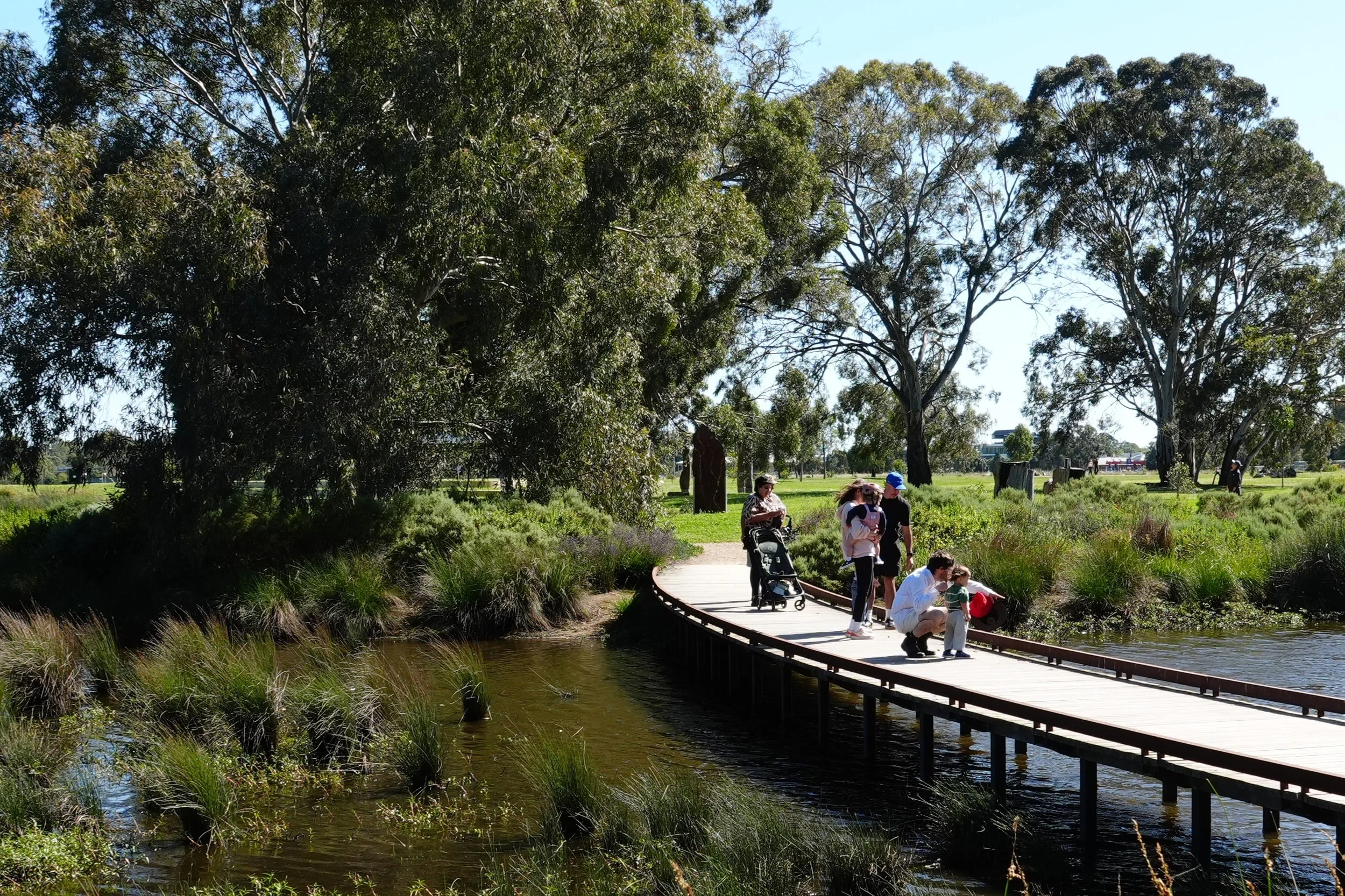
On Sunday morning, 11 October, I joined birdwatchers at the Victoria Park / Pakapakanthi wetlands as part of this year's Nature Festival.
About 64 people booked for the Birds SA event and were divided into small groups, each guided around the wetlands by experienced Birds SA members.
John Gitsham, a former president of Birds SA, led my group. He has been involved with the organisation for more than 25 years.
John said wetlands are always full of surprises.
"You never quite know what you're going to get because birds move around a lot. That's the beauty of wetlands."
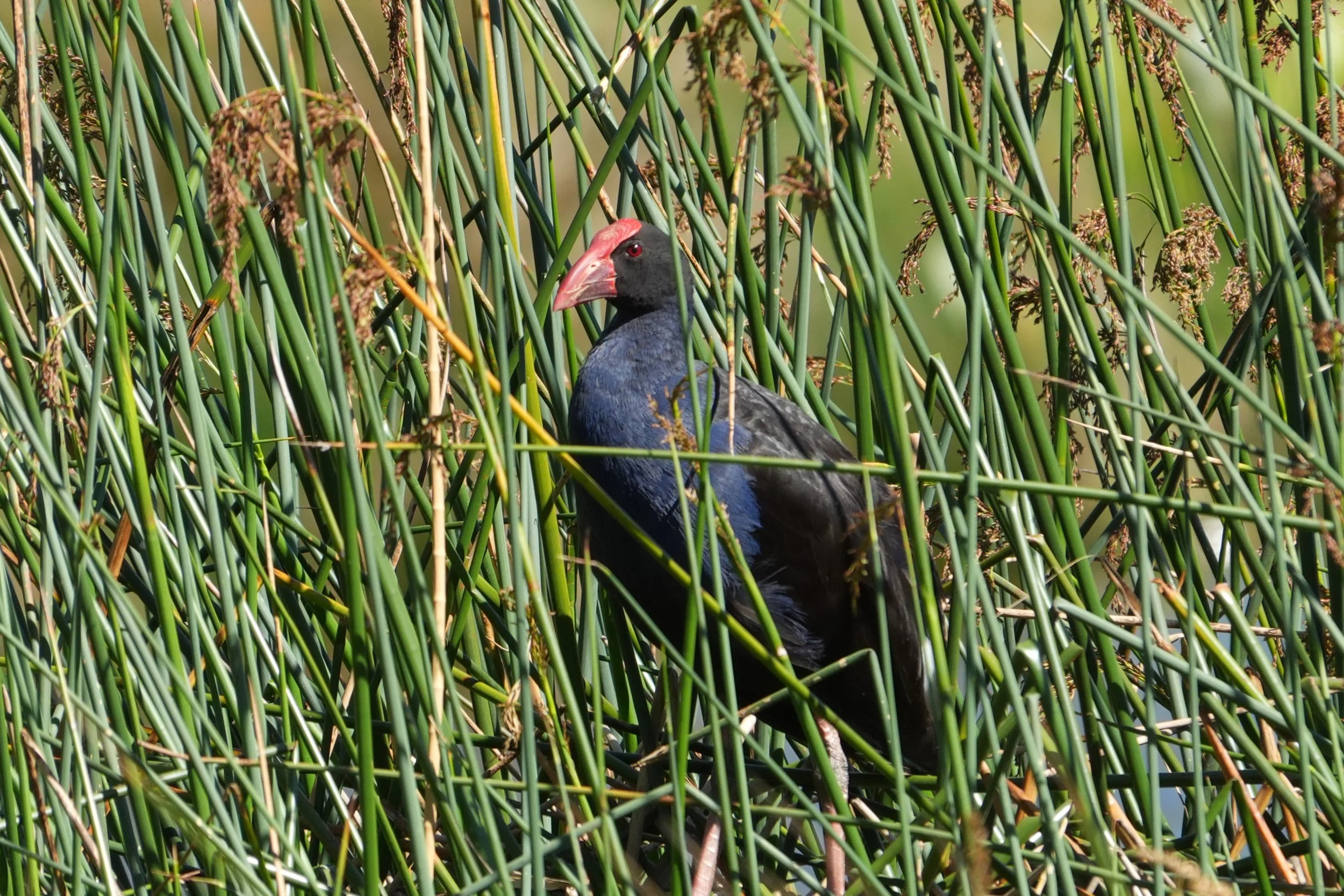
Purple Swamp Hen - Photo by Jan Bowman
An important refuge for Adelaide's birds
The Victoria Park wetlands were completed in 2022 as part of a major flood-management project for the Brown Hill Keswick Creek catchment. But the project has delivered much more than flood protection.
More than 120 trees and 100,000 plants, including aquatic species, were planted to create habitat for birds, frogs, fish, insects, and other wildlife.
According to eBird records, seventy-six native and naturalised bird species have been recorded across Victoria Park / Pakapakanthi.
On our walk, we saw Eastern Rosellas, Little Corellas, Rainbow Lorikeets, and a variety of waterbirds, including several species of ducks.
John said wetlands are essential not only for waterbirds but for many woodland species.
"They bring in insects, all sorts of food sources, nectar and everything. We can't build enough wetlands, really. You build it and they just come."
MotoGP and the growing pressure on Victoria Park
With the South Australian Government planning to bring MotoGP to Victoria Park, I asked John about the possible impact on birdlife, particularly around the wetlands.
He acknowledged that the existing motor racing event is far enough away not to cause major disturbance to the birds. But he is concerned about the expanding footprint of motor racing and the potential effects of noise.
"Birds can cope with some noise, but if it's consistent, high-pitched noise, they can't hear each other calling, which can be a problem for predator awareness or for breeding."
John believes the Park Lands should remain a place for people and wildlife, as Colonel Light intended.
"The birdlife is prolific here, which is really important. People are running and jogging. It's an area for passive recreation and should be kept like that."
Could bird tourism rival sports tourism?
What interested me most was what John had to say about bird tourism.
The South Australian Government claims major sporting events attract visitors, create jobs, and boost the economy. But what about nature-based tourism, and especially birdwatching?
John believes South Australia is overlooking an enormous opportunity for tourism.
Birdwatching is becoming increasingly popular internationally, particularly among younger people.
"It's become very popular with the under 40s, under 30s, and even the 20s. And that's fantastic."
John said bird tourism is also a major international industry generating billions of dollars, and one that South Australia should take much more seriously.
He pointed to places such as Costa Rica, Sri Lanka, Borneo, Indonesia and parts of Africa and South America, where ecotourism and birdwatching have become important sources of income for local communities.
In some places, protecting forests and wildlife has created economic opportunities for local guides and tourism businesses. Rather than clearing for development, communities benefit financially from preserving their natural habitat.
John has seen the benefits firsthand, having worked as a bird tour guide in the Northern Territory over three winters.
"It's booming up there."
Queensland and the Northern Territory already attract birdwatchers keen to see Australia's extraordinary birdlife. Why shouldn't South Australia do the same, he asks?
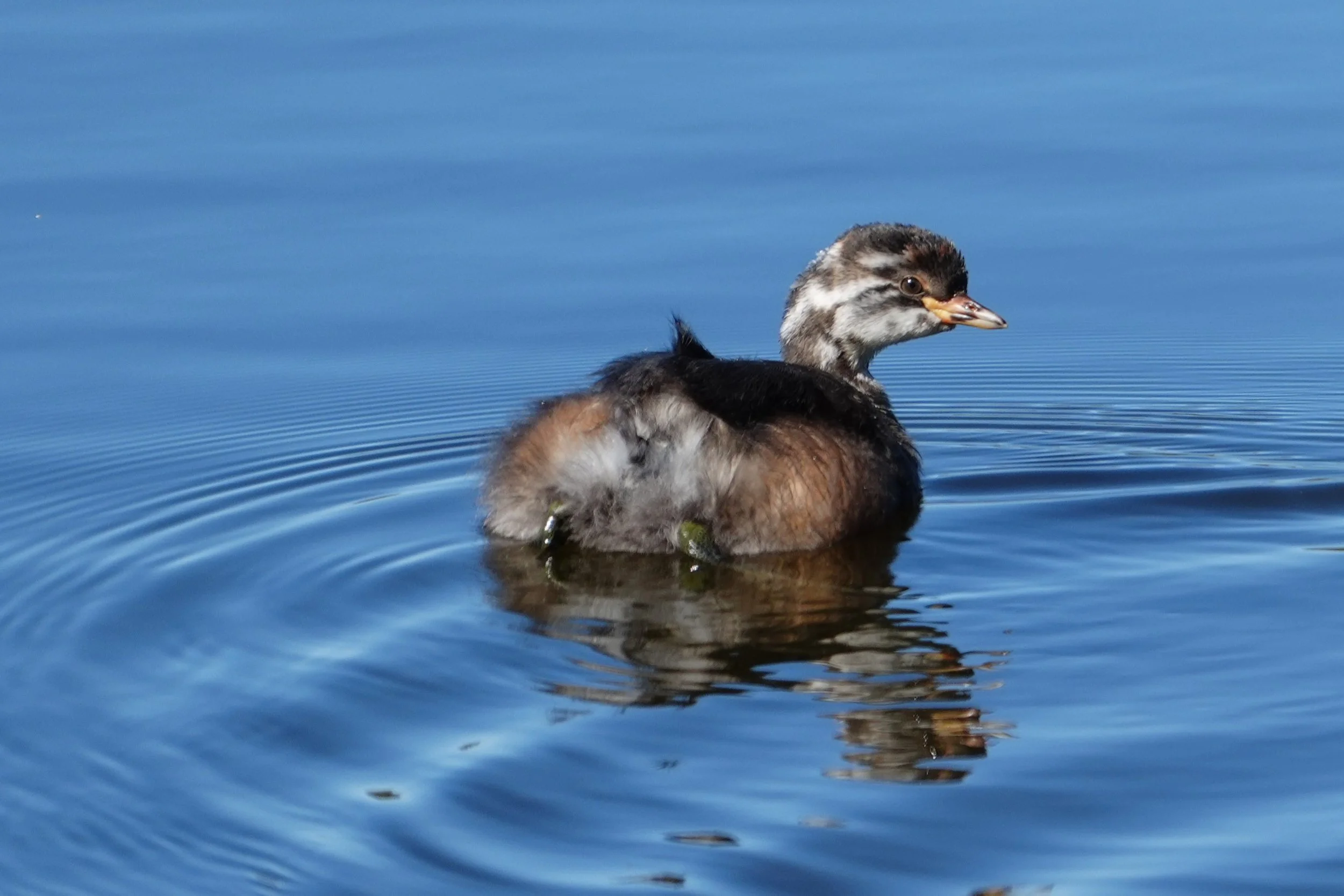
Juvenile Australasian Grebe - Photo by Jan Bowman
South Australia has plenty to offer
John pointed to several important birdwatching destinations already attracting visitors to the State. Gluepot Reserve, near Waikerie in the Riverland, is internationally recognised for its birdlife.
The Adelaide International Bird Sanctuary, which has just celebrated its tenth anniversary, provides habitat for migratory shorebirds travelling from the Northern Hemisphere.
There are also important wetlands and coastal habitats throughout the South East and other parts of the State.
John recalled visiting Central Park in New York, where birdwatching is a popular activity in the middle of one of the world's largest cities.
"You see people birding in the middle of New York City in Central Park."
He believes Adelaide should recognise the value of its own Park Lands in much the same way.
Thinking differently about tourism
A MotoGP requires substantial public investment and puts more pressure on our Park Lands. Bird tourism offers a different approach. Instead of clearing trees and building racetracks, we could be protecting and restoring natural habitats, attracting visitors throughout the year, creating jobs, and supporting regional communities.
So, why isn't the Government giving more attention to the economic potential of our natural environment, rather than concentrating so heavily on major sporting events?
John's message was simple.
"We need to think outside the box for tourism."
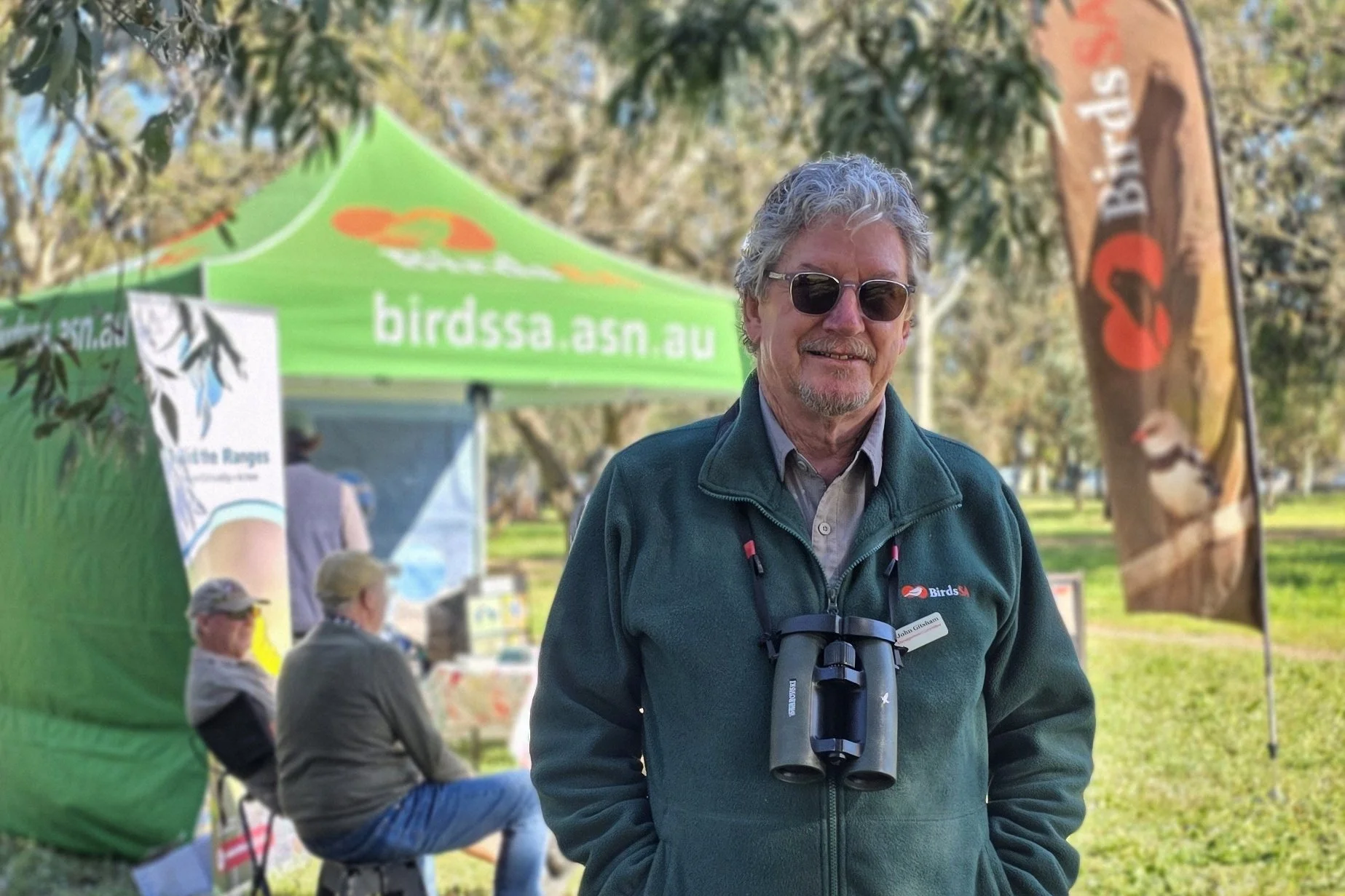
John Gitsham - Photo by Jan Bowman