By Dr Ali Reid
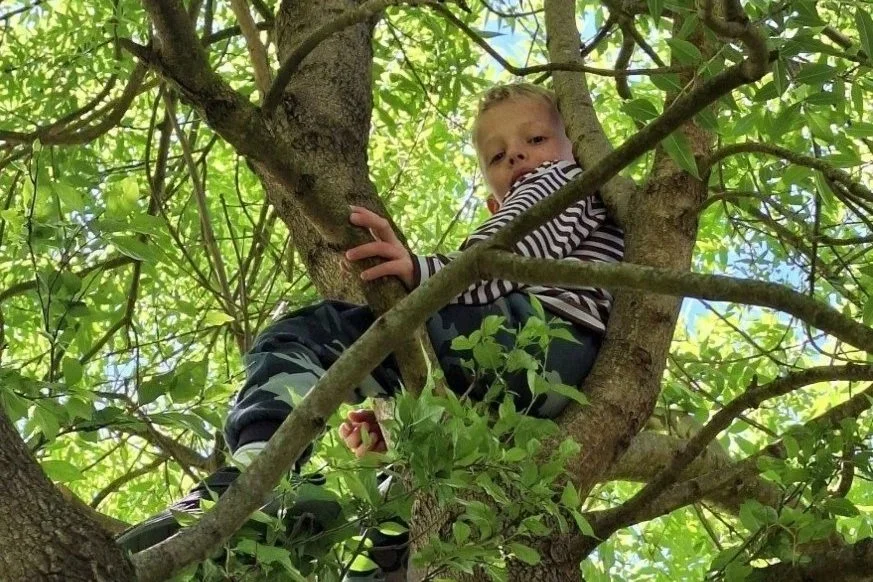
The idea for Every Tree Has a Name began, quite unexpectedly, with a question from my eight-year-old son during a car ride.
“Mummy, why don't trees have names?”
I explained that they did. Gum trees, pine trees, peppercorn trees…
“No,” he said. “I mean real names. Like Julian, Sally, or James.” It was such a simple question, but it stayed with me.
We name our pets. We name our cars. We even name our robot vacuum cleaners. Giving something a name changes how we relate to it. It becomes an individual rather than just another object. We develop affection for it, recognise its quirks and, sometimes, feel a responsibility to protect it.
I began to wonder: what would happen if we gave the trees threatened by Adelaide's proposed MotoGP street circuit individual names?
The government's plans reduce trees to numbers on a removal map. But these aren't just numbers. They're magnificent old gums, sprawling peppercorn trees, stately pines, young saplings, and everything in between. Each has its own character, history, and place in the landscape.
I decided to introduce Adelaide to them.
Armed with the proposed circuit's tree removal map and my phone, I walked the route, photographing a cross-section of trees across different sections of the Park Lands. Some of the first trees I wanted to document were already inaccessible behind Supercars fencing. But elsewhere, I photographed everything from towering native gums to introduced species, from enormous old trees to youngsters barely beginning their lives.
Then came the rather less romantic task of building a campaign: I created a numbered tree register, mapped each tree's location, uploaded photographs, established a Facebook album and developed an online adoption form. I also set up a system to generate personalised adoption certificates. People can symbolically adopt a tree for free, and multiple people can adopt the same tree. Optional donations support the Adelaide Park Lands Association.
Most importantly, I began giving the trees names and stories.
There's Grandma Gum, a magnificent elder whose name has resonated with adopters. One wrote, “As a proud Grandma I identify with this beautiful tree.” Another chose a tree in memory of her mother, who taught her that trees are “the lungs of the earth”.
Then there's Slender Sooz, whose delicate stature earned her a name of her own. Sooz was felled in November. Her photograph and story remain in the campaign, but the tree herself is gone.
And Benchamin Button, a wonderful old peppercorn tree with a gnarled trunk, cascading foliage and a park bench beneath his branches. His story celebrated the simple pleasure of sitting quietly in the shade. One adopter wrote:
“I wanted something to remember Benchamin Button by, something that would keep a part of him with me. I'm heartbroken knowing his time may be short, but I will never forget him.”
Benchamin was felled the very next morning. These losses have made the campaign more poignant than I ever imagined.
Other trees have become characters in their own right. Titania, an enormous River Red Gum and familiar landmark for protesters, takes her name from the Queen of the Fairies in Shakespeare's A Midsummer Night's Dream. Nearby stands Gaia, named for the ancient Greek personification of Mother Earth. And Solace, with a long branch reaching over a pathway like an outstretched arm, was named on a particularly sad day, when the loss of these trees felt almost overwhelming.
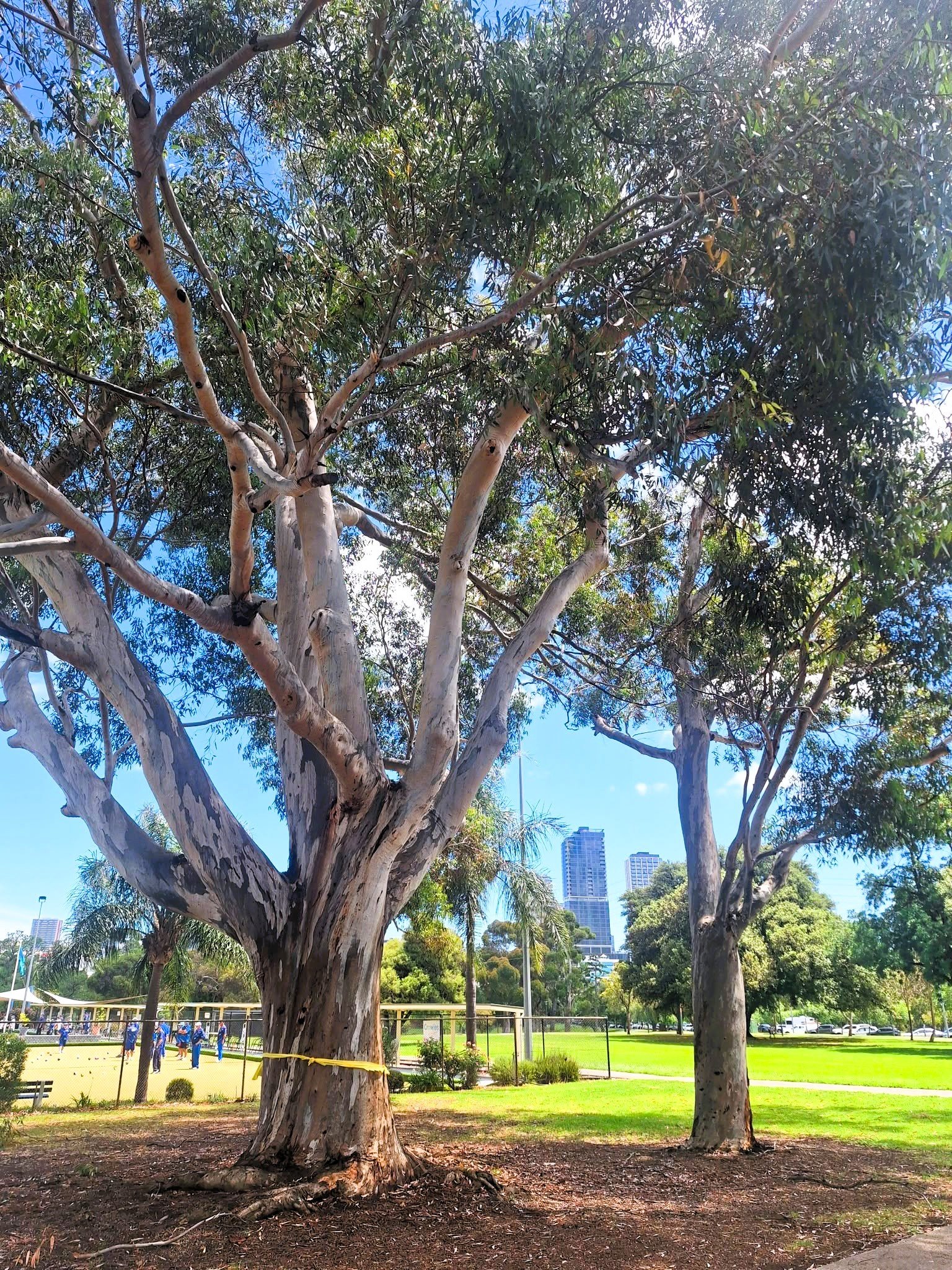
Sir Bowls-a-Lot and Lady Leafington, the unofficial aristocracy of the bowling green - Ali Reid
But perhaps the most moving part of the campaign has been reading why people choose particular trees.
One adopter, describing Pepper McStopface, wrote:
“When I walk past Pepper McStopface I marvel at the amount of shade and sense of peacefulness it generously bestows around itself. I apologise to it every time I walk past these days, and every time my heart constricts a little more.”
Another explained their adoption simply:
“I want to feel like I've done something to help those who can't help themselves.”
These responses have confirmed something my son's question first made me consider. Naming trees changes how we see them. People begin recognising their personalities, connecting them to loved ones and grieving their possible loss.
The campaign continues to grow, with people adopting trees, sharing photographs and learning their names. Some adopters may never visit Adelaide, but they can still form a connection with a tree they've never stood beneath.
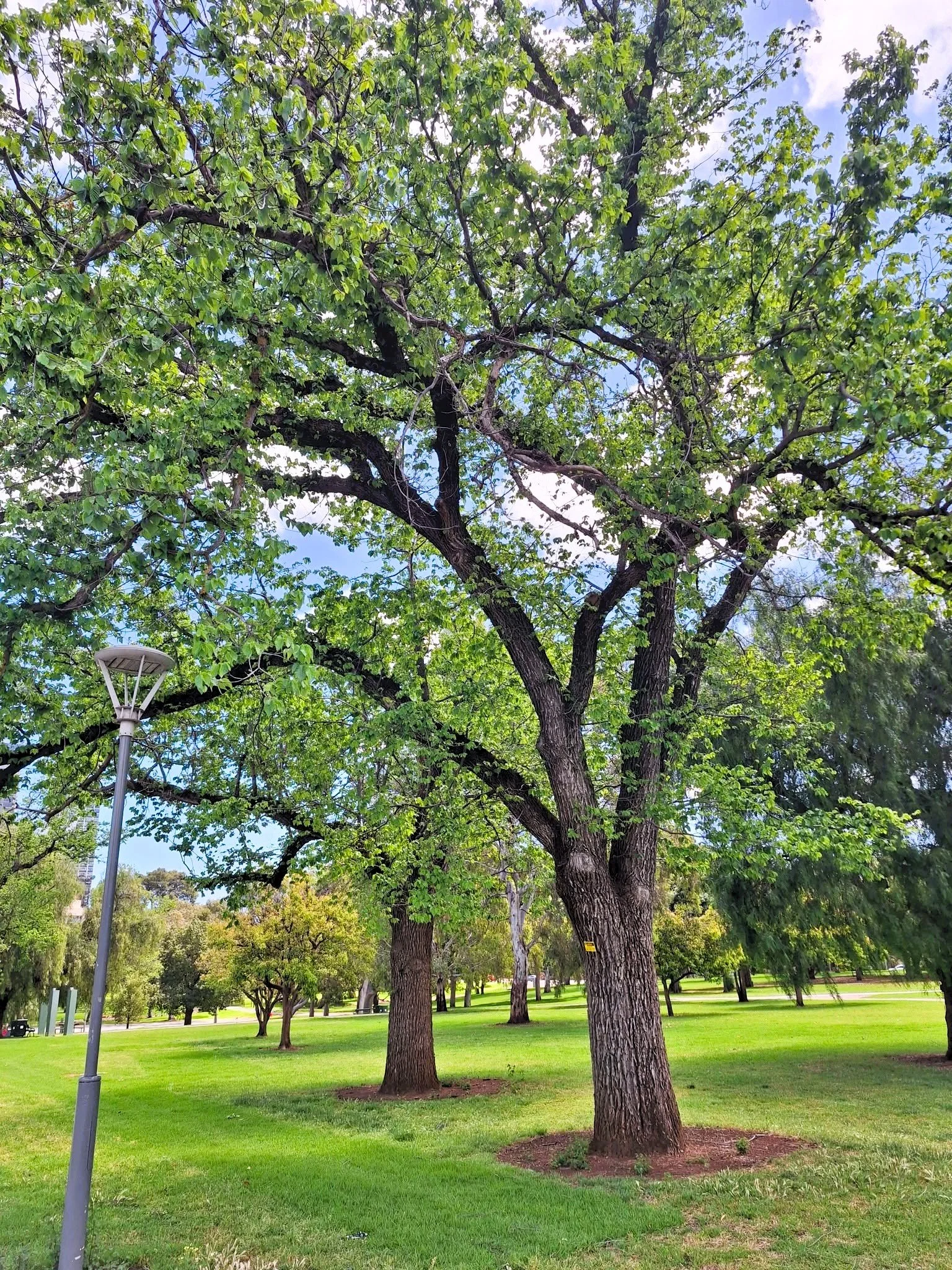
“Thelma and Louise” - Ali Reid
I know that naming a tree won't necessarily save it from a chainsaw. But it changes the conversation. It's easy to dismiss the removal of Tree 034 on a government spreadsheet. It's much harder to dismiss Benchamin Button, the grand old gentleman who gave people somewhere to sit. If we cannot save every tree, we can at least ensure they do not disappear anonymously, without anyone knowing what was lost.
My son's question turned out to be a rather profound one.
Every tree has a name. Every tree has a story. Every tree deserves a future.
Explore the trees and adopt one for free:
https://docs.google.com/forms/d/e/1FAIpQLSfqyIFHGRFIz7SNipwPNFPPicMoutTfegUSyCX0tf0I35Bi_g/viewform
View the campaign photo album:
https://www.facebook.com/media/set/?set=oa.4511286965810153&type=3
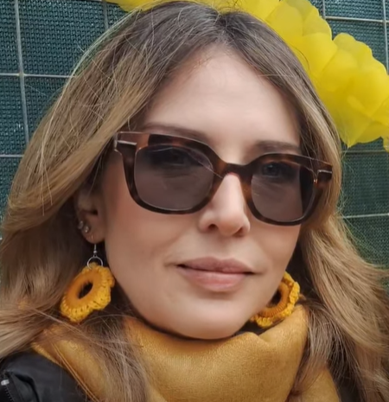
Dr Ali Reid is a concerned member of the public, anthropologist and social researcher from the Adelaide Hills.

