
By Jan Bowman
There has been a claim circulating that olive groves in the Adelaide Park Lands are effectively pest trees and therefore not worth preserving.
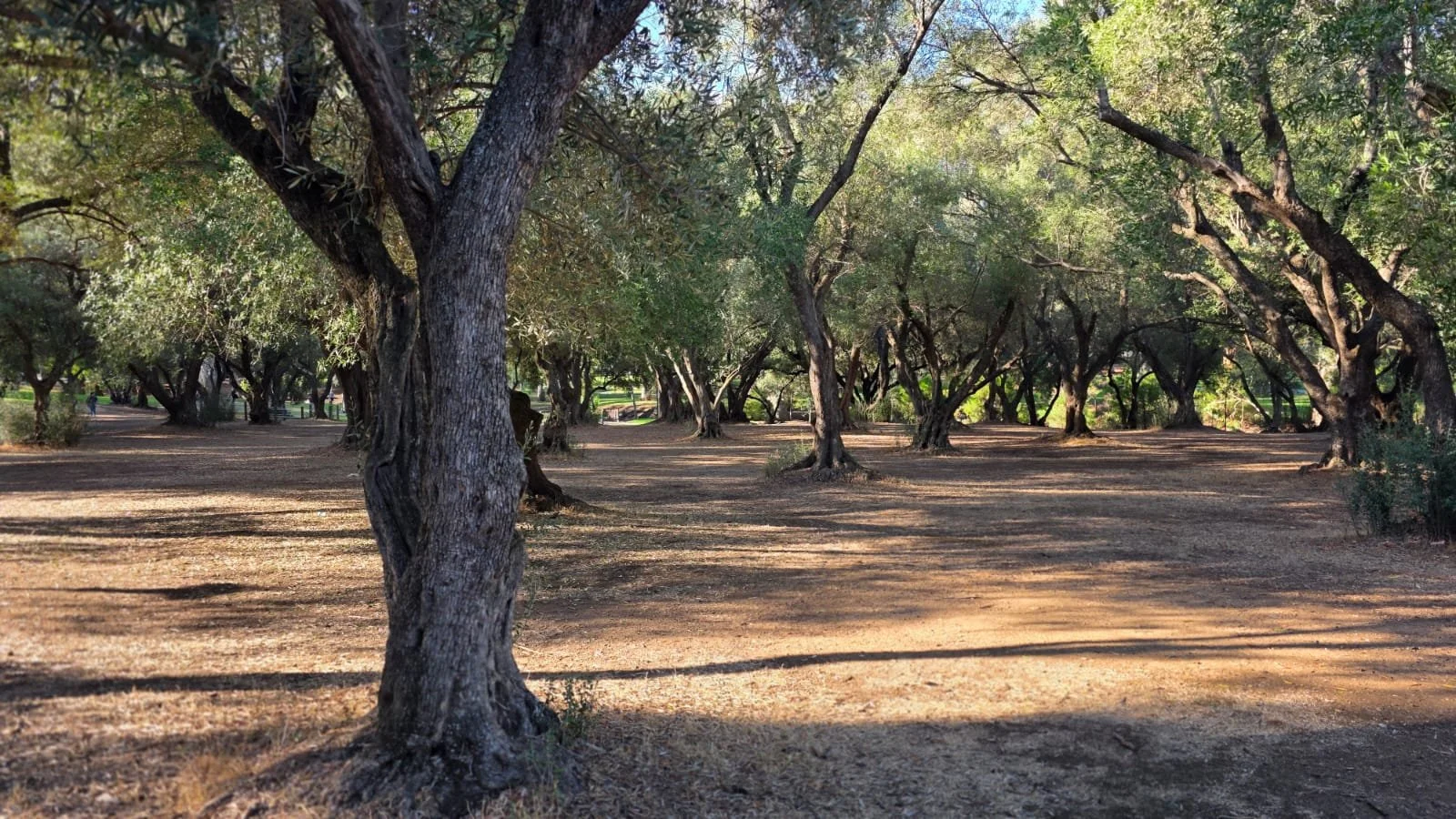
This matters because the historic olive grove in King Rodney Park / Ityamai-itpina (Park 15) is directly threatened by the proposed MotoGP circuit.
The State Government’s Department for Infrastructure and Transport confirms that the revised circuit alignment “affects some olive trees in King Rodney Park/Ityamai-itpina (Park 15)”.
So, does the fact that olives can be a declared pest mean these historic groves are dispensable?

Olive Grove, King Rodney Park / Ityamai-itpina (Park 15) by Rod Lewis
No. Here’s why:
“Declared pest” does not mean every olive tree should be cut down. Wild olives can spread into native vegetation and need to be controlled. That is very different from managing established historic olive groves.
Some Park Lands olive groves are State Heritage Places. The historic groves at Kuntingga (Park 7) and Parngutilla (Park 8) have been cultivated since the nineteenth century and are recognised for their historical significance.
They are part of South Australia’s agricultural history. Olives were among the crops introduced in the earliest years of the colony and helped establish what became an important South Australian industry.
They are part of Adelaide’s Park Lands history. From the 1850s, thousands of olive trees were planted throughout the Park Lands. By 1875 there were reportedly around 30,000.
The King Rodney Park grove is a rare survivor. Planted in 1872, it formed part of an almost continuous belt of olive trees extending from the Botanic Garden towards South Terrace. Much of that historic planting has since disappeared.
Heritage value is not determined by whether a species is native. These groves are culturally significant because they tell part of the story of Adelaide’s settlement, horticulture, landscape design and agricultural development.
The answer is good management, not destruction. Wild olives should be controlled where they threaten native ecosystems. Historic, managed olive groves can be conserved at the same time.
The bottom line
Nobody disputes that wild olives can be environmental weeds.
But that does not make a 150-year-old historic olive grove disposable.
We don’t demolish heritage buildings simply because we no longer build that way. Nor should we erase living landscapes simply because the plants within them can become weeds when left unmanaged.
We can protect biodiversity and preserve Adelaide’s living heritage. We should be doing both.
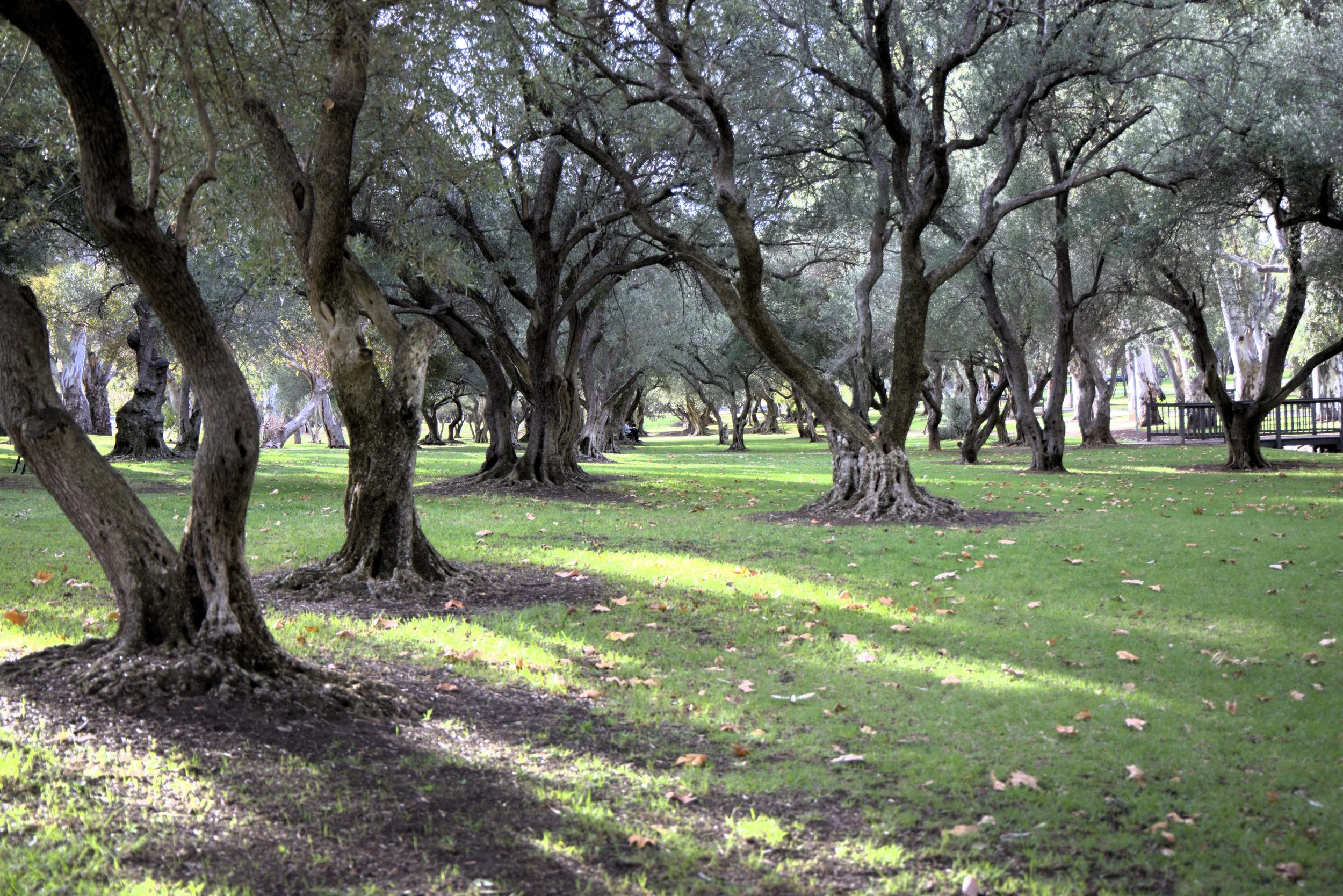
Olive Grove, King Rodney Park / Ityamai-itpina (Park 15) by Jan Bowman
References
Olive Groves: the first agriculture in the colony, Experience Adelaide - https://www.experienceadelaide.com.au/notable-locations/olive-groves-the-first-agriculture-in-the-colony/?
Ancient Olive Groves in the spotlight, Adelaide Parklands Association, https://www.adelaide-parklands.asn.au/blog/2021/6/24/ancient-olive-groves-in-the-spotlight?
Olive plantation, 1856, Adelaide Parklands Association, https://www.adelaide-parklands.asn.au/blog/2021/6/24/ancient-olive-groves-in-the-spotlight?
Historic olive grove, Adelaide Parklands Association, https://www.adelaide-parklands.asn.au/park-15-tour/#four

