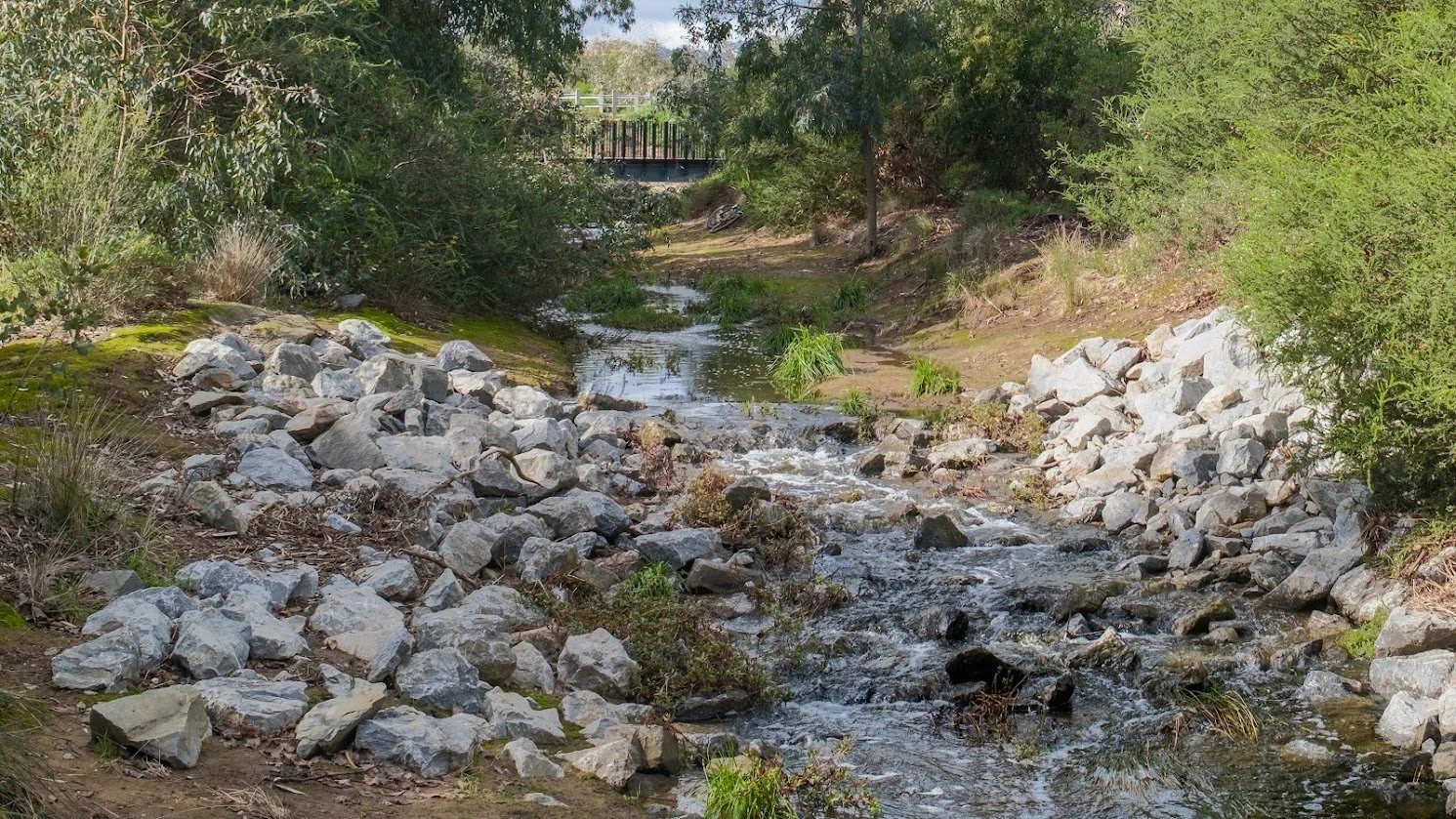
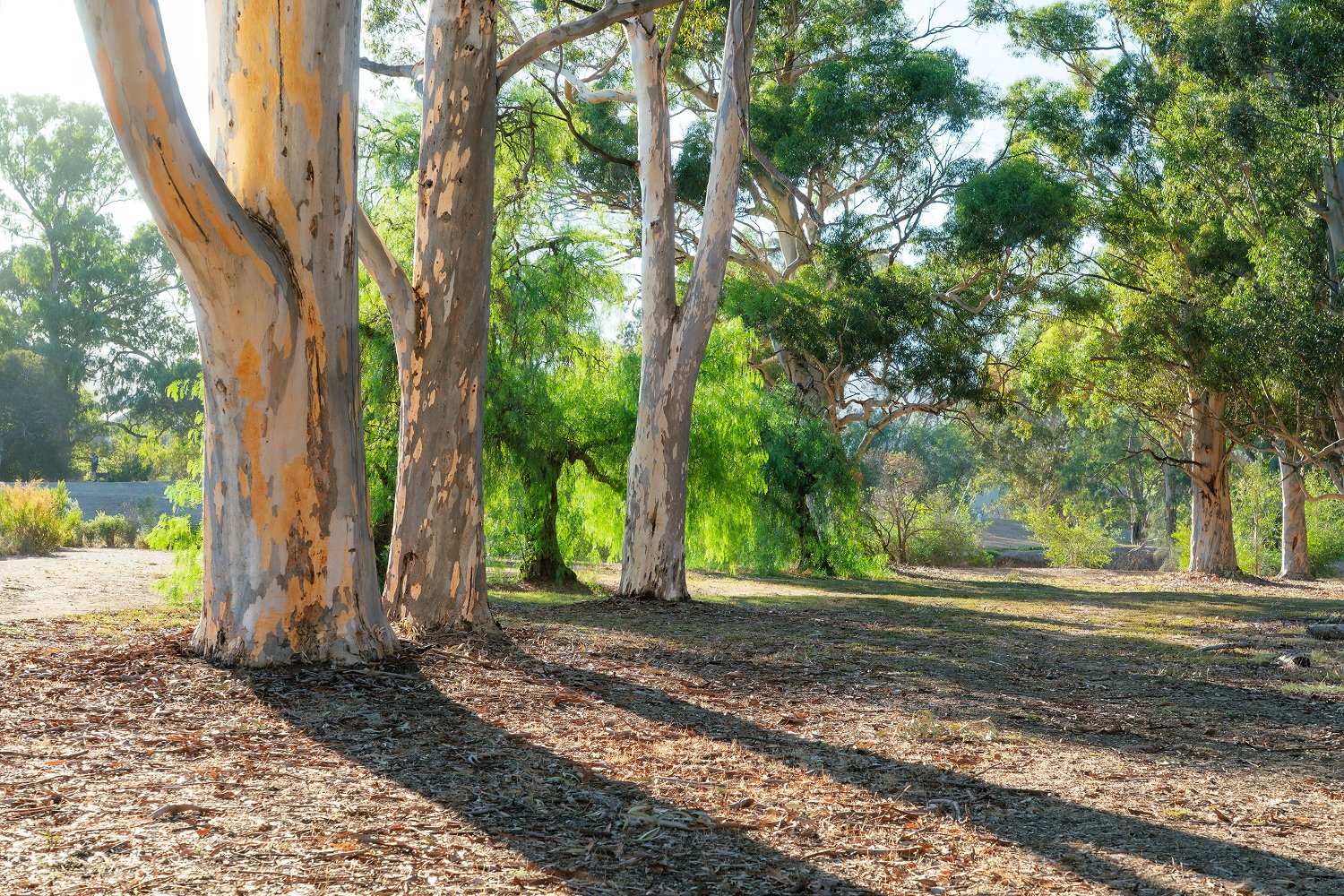
The Adelaide Park Lands Association was delighted to feature the stunning photography of local photographer Jeff Richards on its recent Stop the Chop billboard.
Here is Jeff’s story, along with some great advice for budding park lands photographers.
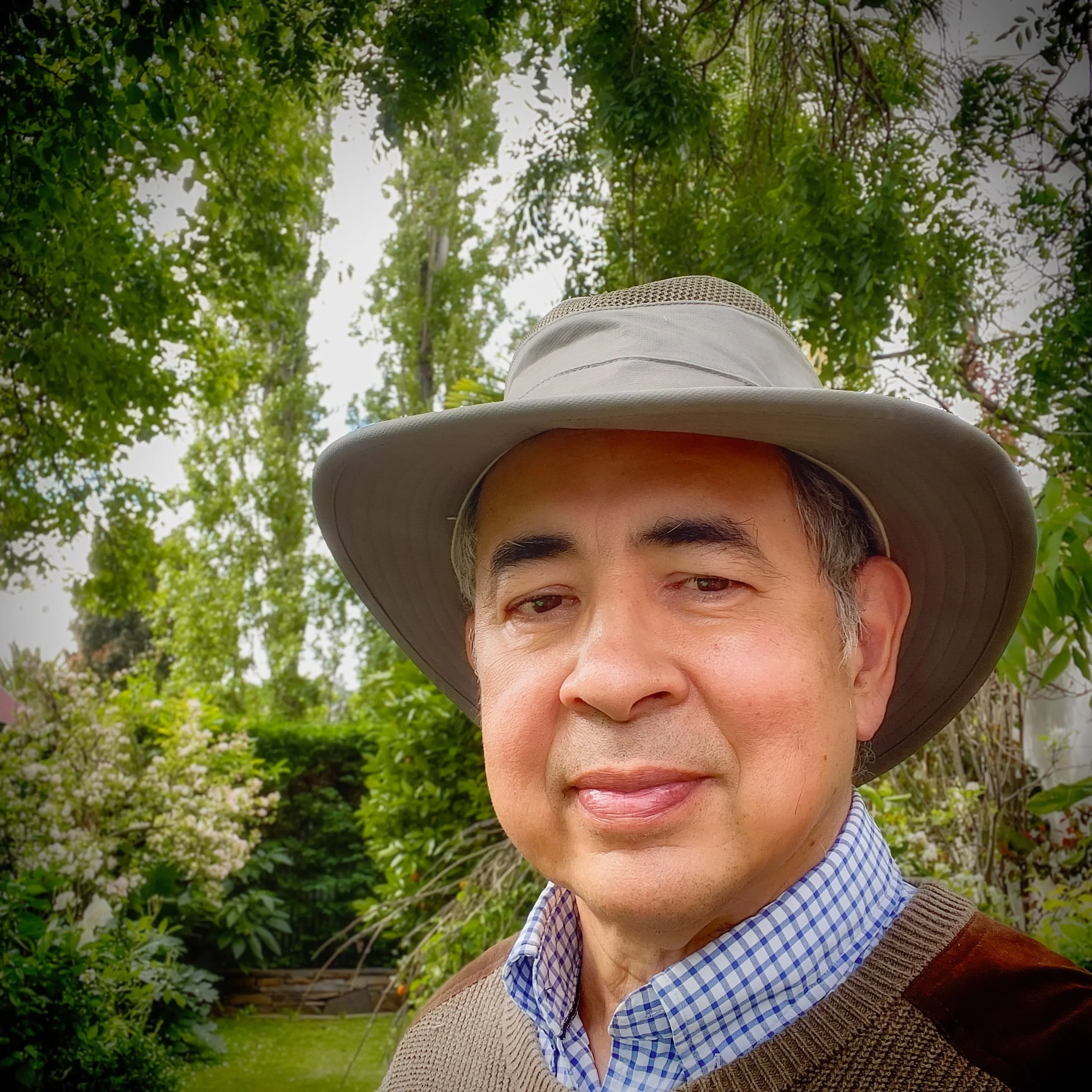
A little about yourself first - then....
I am a 71-year-old semi-retired mental health nurse. I was born in the Philippines, was sent by my parents to study in Adelaide in 1969. I studied in a Catholic boarding school (Sacred Heart College) during my high school years. In my tertiary years I studied politics (Hons) and English literature at Flinders University and in the early 1980s, photography at Underdale College of Advanced Education. I have been a nurse for 42 years and am a hospital-trained RN.
My interests: Photography and photo editing, jazz and rock music, politics and political theory. I am not a professional photographer. My grade is known as an amateur photo enthusiast.
How did you become interested in photographing the Adelaide Park Lands?
I have lived most of my life near the Adelaide Park Lands. For the last 25 years, I have lived very close to the Southern Adelaide Park Lands and from the late 1970s to 1999 I lived close to the northern Adelaide Parklands. Two of my favourite areas for photography are the Adelaide Park Lands and Goolwa Beach (where I spend a lot of time) and Coorong National Park nearby. I use ten different cameras (one or two at a time) including analogue cameras and a 48-megapixel iPhone. I am interested in how different camera sensors render colours in landscape photography and how this works with editing applications. I use Lightroom, Photoshop, Luminar Neo and Apple photos for editing my images.
What do you look for when you're out with your camera?
I like to frame my shots to evoke atmospheres that I find in literature, for example in classic novels like Le Grand Meaulnes, a Novel by Alain-Fournier, Proust's In Search of Lost Time or Randolph Stows The Merry-Go-Round In the Sea. The way the light falls at different times of the day and the way shadows work.
I also look for colour differentiation. The camera I use the most is the Fuji X100Vi, a camera with a large range of ‘film simulations’ that render colours and image atmospheres that mimic analog photography.
Do you have a favourite Park or location to photograph? Why?
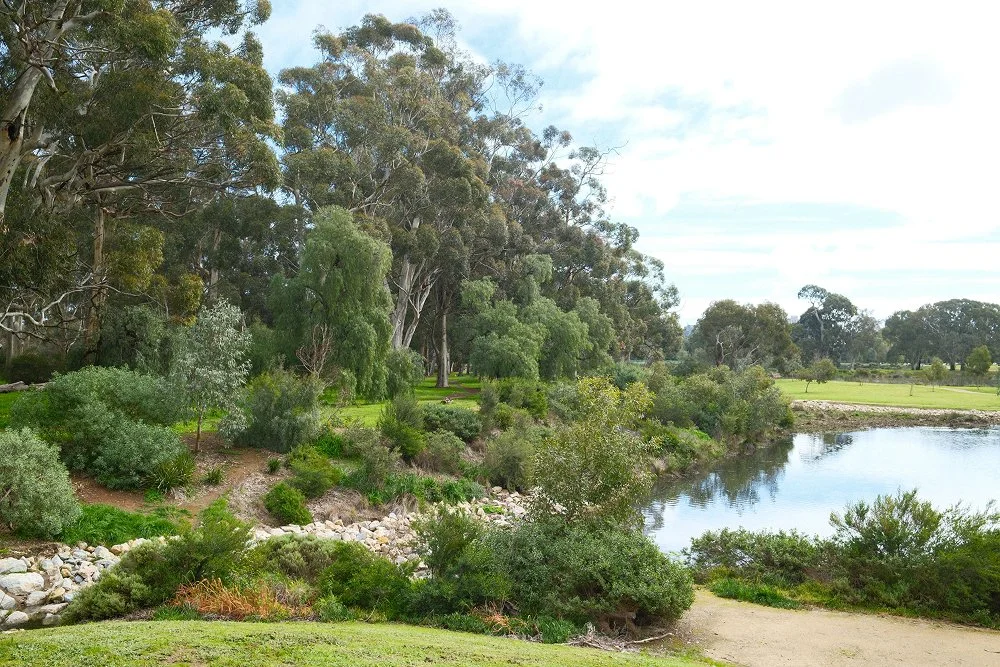
If you start at the corner of Greenhill and Fullarton Road, you will see two paths you can walk into. There is an asphalt-covered pathway ahead of you. On your right, you cross a waterway. If you walk to the right and follow the waterway for a bit, you will climb up a hill to one of the highest points in the park. On top of the hill, you will see a grand vista of the wetlands and, on the right, a grand sight of large trees. In the distance you see the city. At different times of the day you see light falling in different ways, and with the seasons, you see dramatic colour changes.
Alternatively, you can walk down the asphalt paved pathway, then go down the first path on the right and follow the creek. You will walk through a forest of huge trees, bushes, and grass. The horizons are lower. You get to a point where the path crosses a creek, and you can generally cross that creek if it's not too wet. If you cross the creek, it will take you into the middle of the wetlands where there are more paths you can walk (but be careful if you are crossing, it is moderately steep). The views you get walking there are excellent, more of an ‘inside view’ of that part of the park.
What's the most memorable photograph you've taken in the Park Lands?
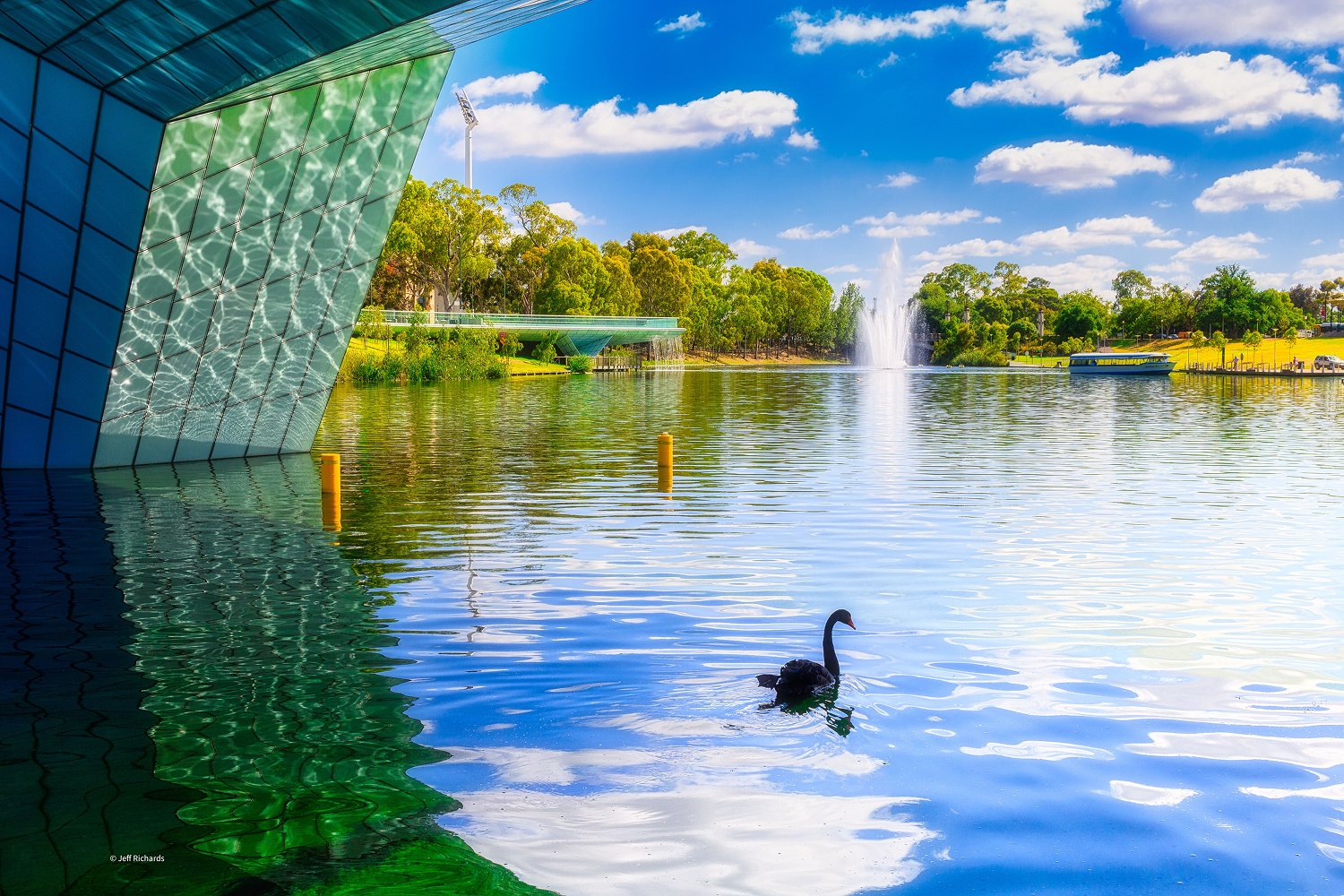
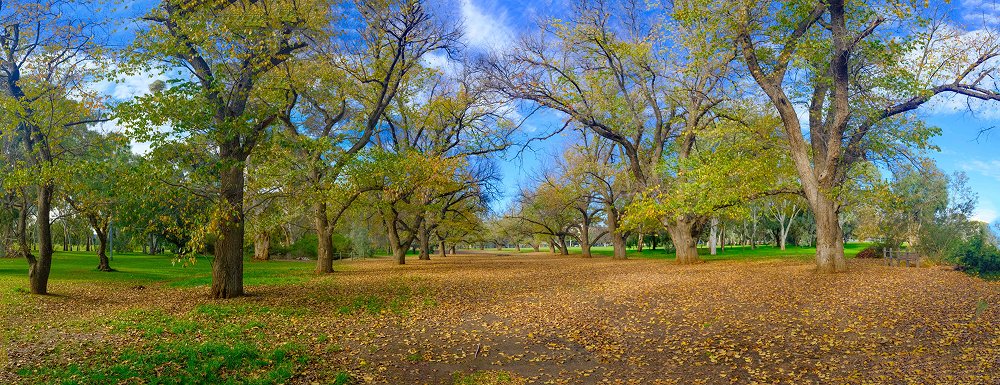
The big trees and the textures of their bark. I’m not sure what my favourite is. I’ve estimated I have probably taken 20,000 images of the Park Lands in the last 25 years and have culled them to around 5,000, so I’m not sure what is my favourite. I love the big beautiful classic shots of the trees you can take from the high points around the Pakapakanthi / Victoria Park wetlands, but I like the more intimate shots of trails and waterways. I also like shots that show the park and its relation to the city. I love the way parks interact with urban areas and urban life, for example the way Manhattan (New York) interacts with Central Park. I always love visiting New York and Central Park, a photographer's paradise.
Have you ever captured something you weren't expecting to see?
Yes, but I often realise this after the fact, when I have the image in the editing application. It usually has something to do with the way the light falls in the park.
What's your favourite time of day or season to photograph the Park Lands?
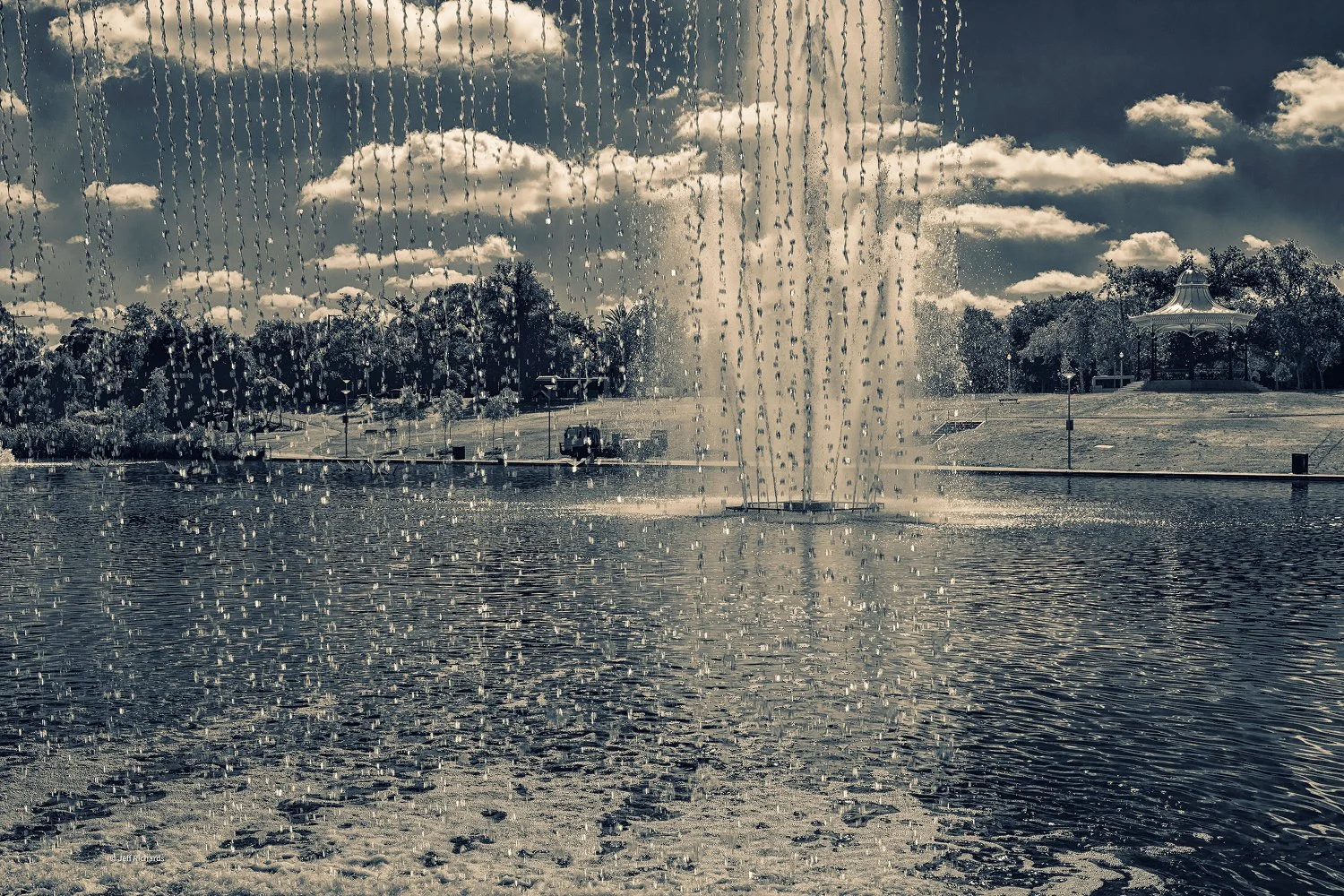
There is no set time I prefer. If it’s sunny, it’s about the way the rays of light fall. If it’s cloudy, then the light works differently. The time of day controls the way the light works, so any time is potentially good. Raining is also good but more challenging.
Is there a bird, animal, tree or landscape you never get tired of photographing?
Parklands with trees are great but I’m a big fan of beaches and vast waterways, which is why I truly love the Fleurieu Peninsula, the Goolwa to Port Elliot region and the magical Coorong National Park. Coorong is a sacred country for First Nations people and it’s a part of the world which I feel has a ‘lot of Zen’. The water, the animals, the horizontal lines, the visual simplicity, the quiet, the incredible variety of small plants and bush, the sand, are an endless source of photographic interest and inspiration.
What's one thing photography has taught you about the Park Lands?
That capitalist greed may be a dynamic force to some but that it will roll over your Park Lands if you don’t have a strong state and government (not influenced or beholden to developer interests) to protect nature.
Photography captures a moment in time, and it gives you a reference point for what has come and gone. Urban parklands are not a static zone. They exist in dynamic interaction with cities, people and our democratic institutions.
What advice would you give someone who wants to start photographing nature?
Go out there and shoot!
If you have a real camera rather than a phone camera, use that. Shooting images is as much about the act of taking pictures as it is the picture itself.
Shoot a lot, vary your speed, ISO and aperture. Enjoy strange images, blurred images, foggy images, anything unusual. Don’t seek perfection. Perfection is mostly boring. You can spend days editing a shot, get everything right and it turns out to be ‘perfectly boring’.
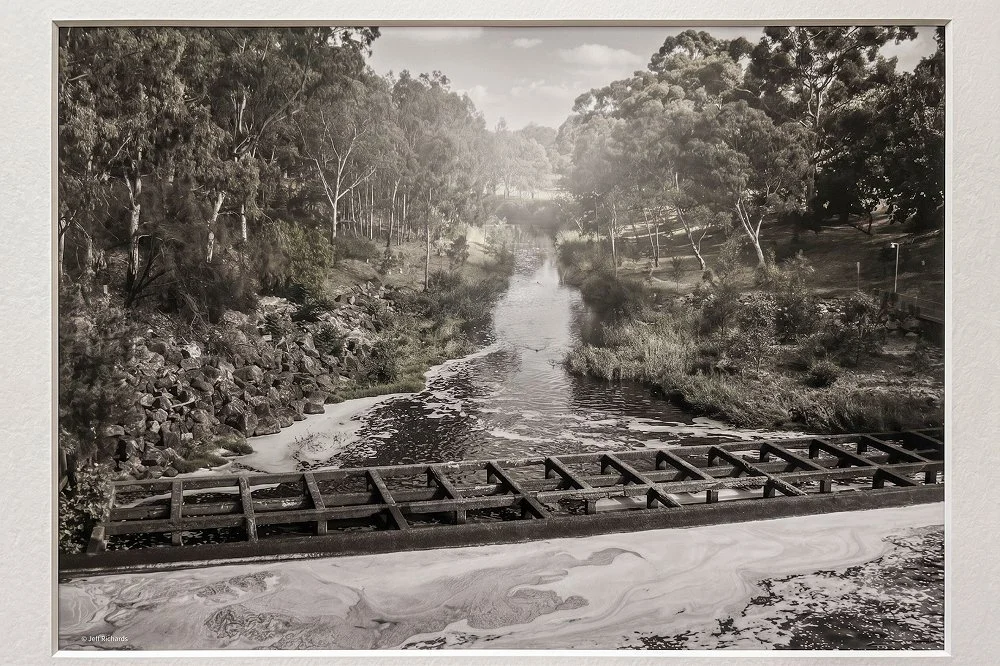
Print your photos if you have a good printer. The print rather than the screen is the best way to render your photos. I share the view of most of the amateur photo enthusiast community that you really can’t fully judge the quality of an image until you print it on paper.
What do you hope people see or feel when they look at your photographs?
That they will enjoy the image, that it will encourage them to go out and do nature and urban photography, that they will want to go and spend money on a good real camera rather than a phone, that they will spend less time in the emotionally overloaded and emotionally draining world of social media scrolling and go for a walk or a run or a ride.
I hope people can slow down and appreciate what they see, hear, smell and touch, the way the light and shadow falls and the many different variations of colour there are.