

By Jan Bowman
When people talk about the Adelaide Park Lands, they often talk about trees, wildlife or heritage, but for Tricia Curtis, they are something else as well.
“They’re places where people can reconnect—with nature, with other people, and often with themselves.”
Since 2019, Tricia has led Regenerate in the Adelaide Park Lands, a Trees for Life program that has quietly demonstrated something many people instinctively know but rarely measure; spending time caring for nature is also good for our own wellbeing.
In the process, the program has become a reminder that the Park Lands are not merely open spaces surrounding the city. They are one of Adelaide’s great public health and community assets.
The program was first funded by the City of Adelaide in 2022 through its Community Impact Grants Strategic Partnerships Program.

Trees for Life Regenerate Program, image by Tricia Curtis
People first
Unlike most environmental programs, Regenerate begins with people rather than plants.
“We put people first and the environment second,” Tricia says. “The environmental outcomes are important, but our first priority is giving people an opportunity to connect with nature and with other people.”
The program began in 2019 as a way of engaging people living with mental illness and people with intellectual disabilities through accessible Bushcare activities. Over time it has evolved, adapting to changing funding while remaining true to its original purpose.
Today it welcomes anyone looking to improve their wellbeing through nature.
Some participants come with support workers. Others arrive alone, looking for friendship, purpose or simply a reason to get outdoors. Some become regular volunteers, while others attend only once.
“If someone comes just once and then feels confident enough to return to the Park Lands with friends or family, we’ve achieved something.”

Trees for Life Regenerate Program, image by City of Adelaide
Why the Park Lands matter
The success of the program is closely tied to its setting.
Unlike more remote bush-care sites, the Adelaide Park Lands sit at the heart of the city. They are familiar, easy to reach and welcoming.
“They’re accessible spaces,” Tricia says. “People feel safe because they’re still connected to the city, but when you turn around, you’re suddenly surrounded by nature.”
For international students, they can be an introduction to Australia’s natural environment. For older residents, they provide opportunities to remain active and connected. For people experiencing loneliness, anxiety or other challenges, they offer a gentle place to meet others without pressure.
In a growing city where many people have little access to private gardens or natural bushland, the Park Lands provide opportunities for restoration—not only of native vegetation, but of people themselves.
Building community across generations
One of the most rewarding aspects of the program has been watching friendships develop between people who might otherwise never meet.
Current funding encourages participation by international students and people aged over 55.
“The older participants often ring me beforehand and ask, ‘Will there be students there today?’” Tricia laughs.
“They love sharing what they know—not just about plants, but about Adelaide and life generally.”
The students appreciate those relationships too. Many are living thousands of kilometres from home and say spending time with older people reminds them of their own families.
Shared lunches are an important part of each session. Providing lunch removes another barrier for people who may be struggling financially or simply finding everyday life difficult, while creating time for conversation and friendship.
The result is a community built around shared purpose rather than shared circumstance.
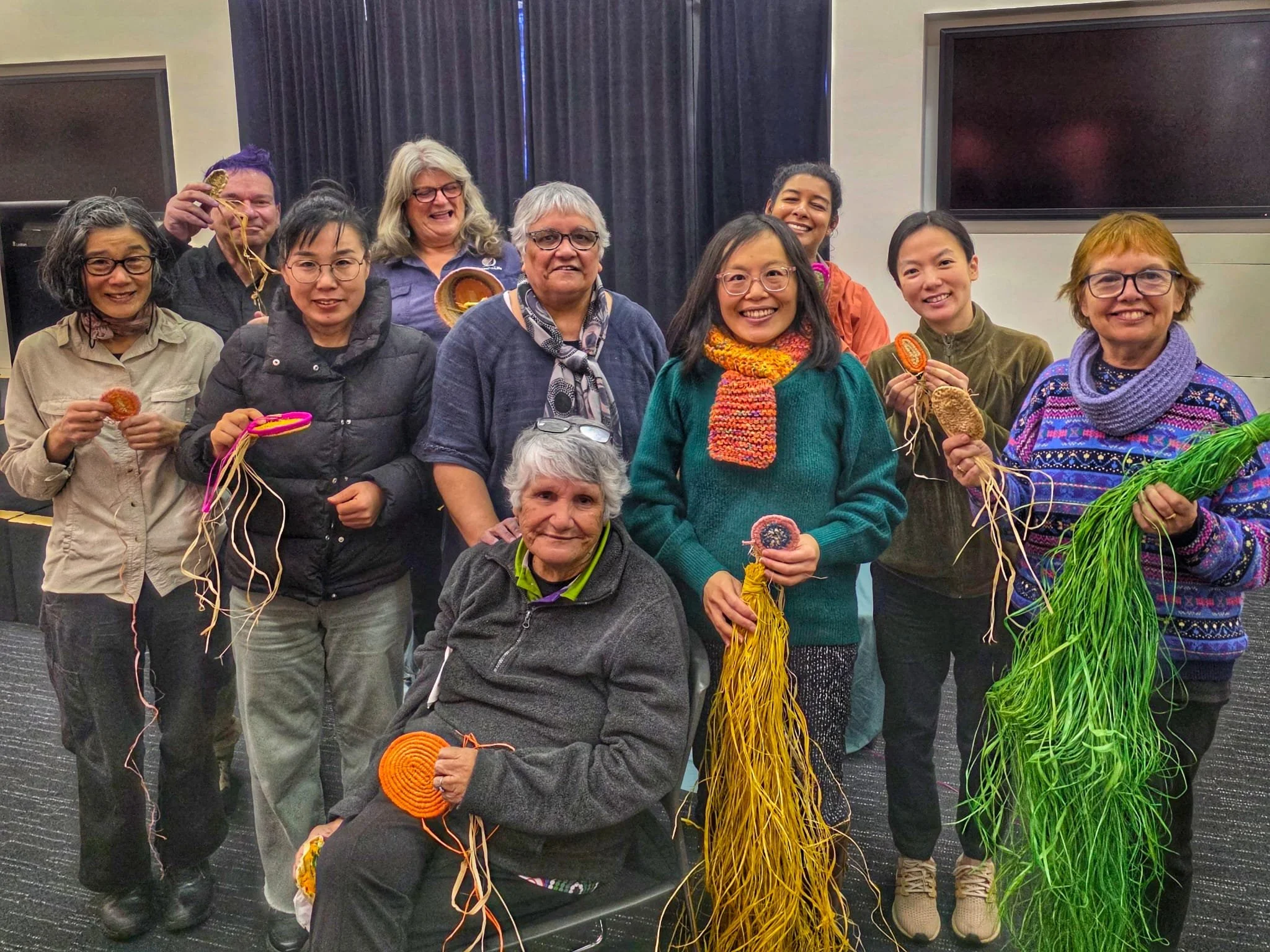
Trees for Life Regenerate Program – Weaving Day, with Aunty Bub (Janice Rigney) and her daughter Debra Rigney from the Southern Elders Weaving Group.
Caring for Country
The environmental work itself is careful and thoughtful. Rather than planting extensively, Trees for Life focuses on removing weeds so native vegetation can regenerate naturally.
Where new planting has occurred, it has been through Adelaide’s Rare Species Program—a collaboration involving Adelaide City Council, Trees for Life, the State Herbarium, the Botanic Gardens and Green Adelaide.
Historical records identified species that once flourished in the Park Lands but had disappeared. Locally sourced seed was propagated before being replanted in selected areas, including Park 6 (Nantu Wama).
“It’s really about helping the bush regenerate itself,” Tricia explains.
But understanding nature also means understanding its cultural context. The program incorporates Kaurna cultural learning through guided walks and works alongside the local Kaurna community, when activities are undertaken in the Park Lands.
On Saturday 8 August, I joined the group at the Conservation Council offices for something a little different—a hands-on traditional basket-weaving workshop with Boandik artists Aunty Bub (Janice Rigney) and her daughter Debra Rigney from the Southern Elders Weaving Group.
It was a lovely time of quiet conversation and concentrated weaving as Janice and Debra shared stories of family and culture.
I asked Tricia how the weaving day fits with the group’s usual focus on Bushcare and nature walks.
“It is a bit different, but nature can’t be separated from Traditional Owners,” she said. “The program is all about wellbeing and mental health, and this does that perfectly. It gives people a safe place to sit together, ask questions, share their own cultures and just enjoy creating something.”
For Tricia, the weaving day is also a gentler counterpoint to the group’s hands-on work in the Park Lands.
“For some people, it’s the icing on the cake. It’s a nice activity and a way of thanking people for the hard work they’ve put into Bushcare.”
Hundreds of lives touched
Over the past seven years, more than 800 people have participated in Regenerate.
Some return month after month. Others attend once and discover they feel confident enough to explore the Park Lands independently. Both are successes.
The program has also created opportunities for experienced conservation volunteers who can no longer manage more physically demanding Bushcare but still have much to contribute.
“It’s important they can continue to engage with nature,” Tricia says. “They have so much knowledge to share.”

Debra Rigney from the Southern Elders Weaving Group.
Small moments, lasting impact
For Tricia, the most meaningful moments are often the simplest.
She encourages participants to hug a tree.
“They usually laugh,” she says. “Then they linger.”
She asks them to crush a eucalyptus leaf between their fingers and breathe deeply. For some, the familiar scent triggers unexpected memories.
“They’ll say, ‘That reminds me of my mother’s cooking back home.’”
Those moments reveal something important. The Park Lands are not simply landscapes to pass through. They are places where memory, belonging, culture and community intersect.
After decades working in horticulture, conservation and community engagement, Tricia still finds joy in watching someone discover nature in a new way.
“I love seeing people learn something new, see something new or feel something new.”
A living investment
As Adelaide grows, the value of its Park Lands cannot be measured only in hectares, tree numbers or biodiversity surveys.
Their greatest contribution may be less visible.
Every week they provide places where people can improve their wellbeing, overcome loneliness, build friendships across generations, learn about Country, care for biodiversity and discover that nature is far closer—and far more welcoming—than they imagined.
Programs like Regenerate remind us that protecting the Adelaide Park Lands is about far more than conserving open space.
It is also about protecting one of the city’s most important places for community wellbeing.
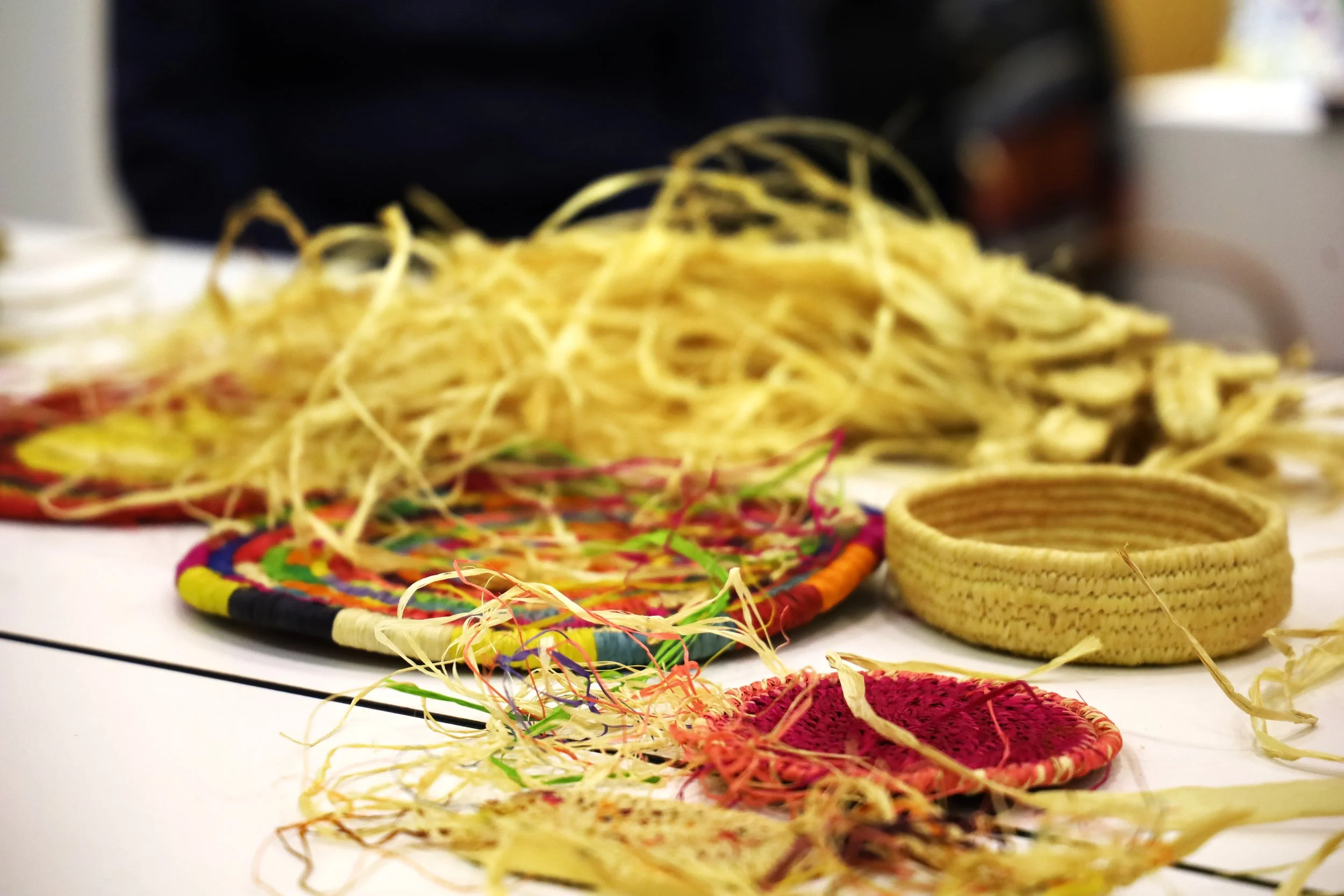
Southern Elders Weaving Group.

