

Opinion: Margaret Brown
Motor racing in the City of Adelaide affects the health of the residents and those who work there, and the proposed MotoGP will exacerbate those effects.
The loss of the quiet natural environment, the removal of trees, the increased air and noise pollution will impact the health and well-being of thousands of SA citizens. The government has failed to address the impact that this proposal will have on community health.
There is increasing evidence that noise exposure is linked to chronic stress and heart disease. A recent article published in The Conversation shows that traffic, construction and the urban hum have created a perpetual noisy soundscape which our bodies have not adjusted to. This constant noise affects our hearing and is now considered to be the leading environmental cause of illness, second only to air pollution. Adelaide is already a noisy, car-dominated city. The MotoGP and car racing will only increase these effects, both during races and during construction of the track.
The Adelaide Parklands, particularly Pakapakanthi, are a quiet, beautiful space where birds have flourished, the trees and shrubs have grown and the quiet, peaceful environment offers a haven for our local fauna including humans. Research has confirmed that spending time in nature has benefits for our physical and mental health, including lowering blood pressure and reducing the risk of chronic disease. Access to natural spaces should be recognised as a right, one that must be protected and prioritised on all levels.
Research has also found that the pollution caused by exhaust fumes and the ‘road dust’ created by the breakdown of particles from tyres and hard surface, such as asphalt and cement, is responsible for a variety of diseases such as lung disease and dementia.
Some SUVs and trucks are heavier than conventional cars and this increases the ‘non-exhaust’ emissions. This includes the diesel trucks that will be used to build the new racetrack.
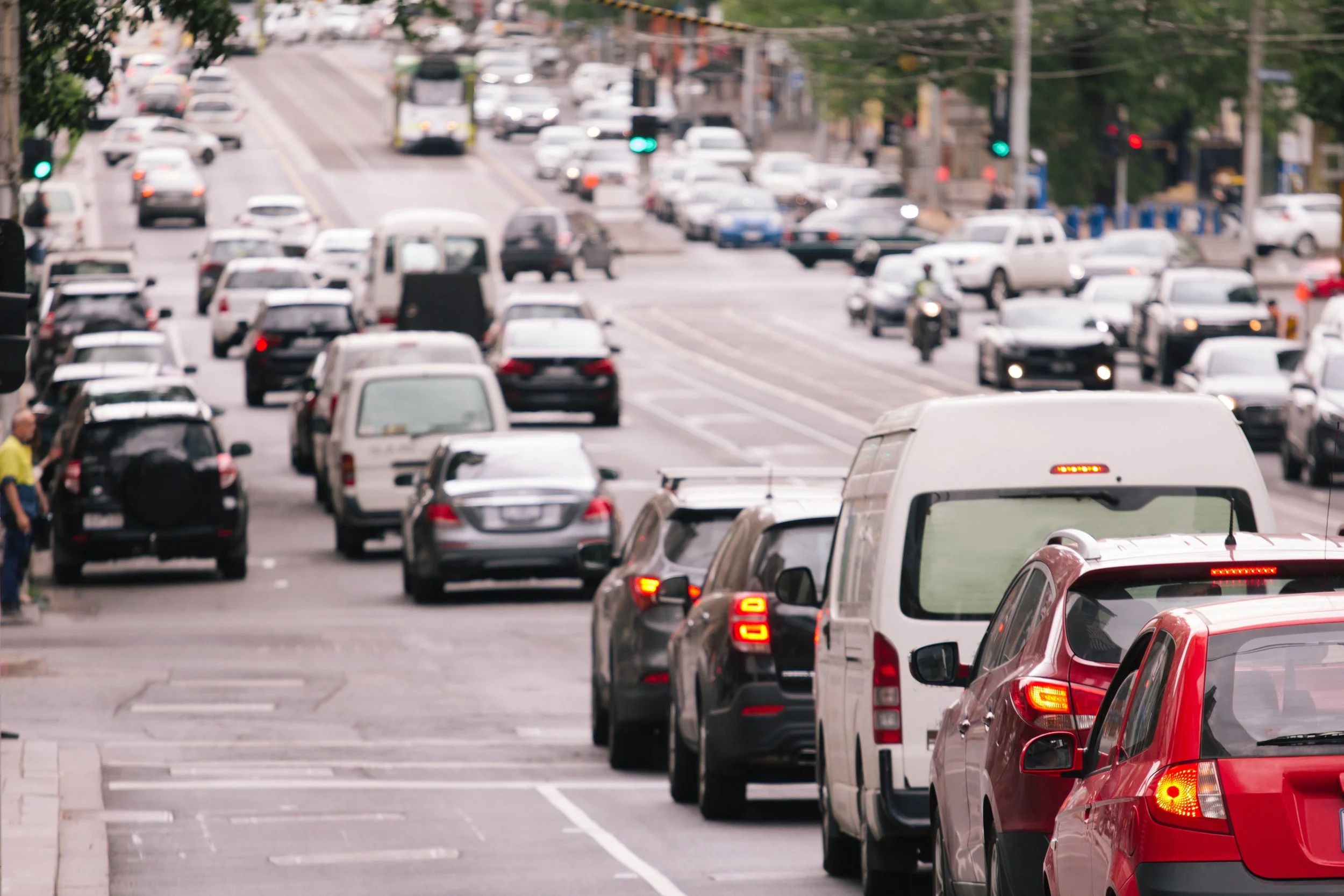
Traffic Congestion - Shutterstock
Air pollution is now recognised as one of the fourteenth modifiable risk factors for dementia. Professor Henry Brodaty AO, who was named Senior Australian of the Year for his lifetime’s work in the treatment and prevention of dementia, has been raising awareness about these risk factors. In addition, a new study has linked traffic noise and pollution to infertility.
Removing hundreds of trees and reducing green space will increase the urban heat island effect and reduces the absorption of carbon, ignoring all the warnings about the heating planet. New trees will be planted elsewhere in the parklands, but they will take years to mature, and they may not thrive in the heating climate. This contributes to climate change, which is a hazard to the health of people across the globe. The Potsdam Institute for Climate Impact Research stated in its Planetary Health Check 2026 that ‘we have pushed Earth outside of its safe operating space – meaning that we are turning Earth from a safe home into one full of hazards that threaten people across the world’.
There are additional risks to the health of South Australians when we promote events that involve driving fast and recklessly. This role models dangerous behaviours that are already causing death and injury to growing numbers of people. In addition, the motor races will cause major traffic congestion, hindering the emergency services from transporting very ill people to the various hospitals.
The South Australian Minister for Health has a responsibility to act to protect the health of all people in our community, yet he seems unaware of the impact these motor sports and the destruction of the natural environment in the parklands will have on a large proportion of the community.
Acknowledgement: The author would like to acknowledge the assistance of Kate Leeson with the preparation of this article.
Profile: Margaret has a postgraduate qualification in health and a research interest in the impacts of traffic on individuals and communities. She has taught at the University of South Australia and Adelaide University and has published widely.

