
By Jan Bowman
On 29 July, we published a story asking a series of very basic questions about what the State Government plans to do in John E. Brown Park as part of its North Adelaide Golf Course redevelopment.
Where exactly will the proposed driving range be located? How much of the Park Lands will be closed? Where will driving range users park their cars? How many car parks will there be and how will they be accessed? What will the driving range actually look like? Will there be fencing or netting?
These questions have been put to the Government on several occasions.
We received no clear answers.
Now, remarkably, it has taken a Federal Court case for some of the detail about what is planned for John E. Brown Park to finally emerge.
What the court case revealed
Park Lands advocates Edwin Kemp Attrill and Janette Milera have taken Federal Court action challenging the North Adelaide Golf Course redevelopment.
During proceedings on 22 August, details emerged about the scale of the development proposed for John E. Brown Park.
The plans include for Park 27A:
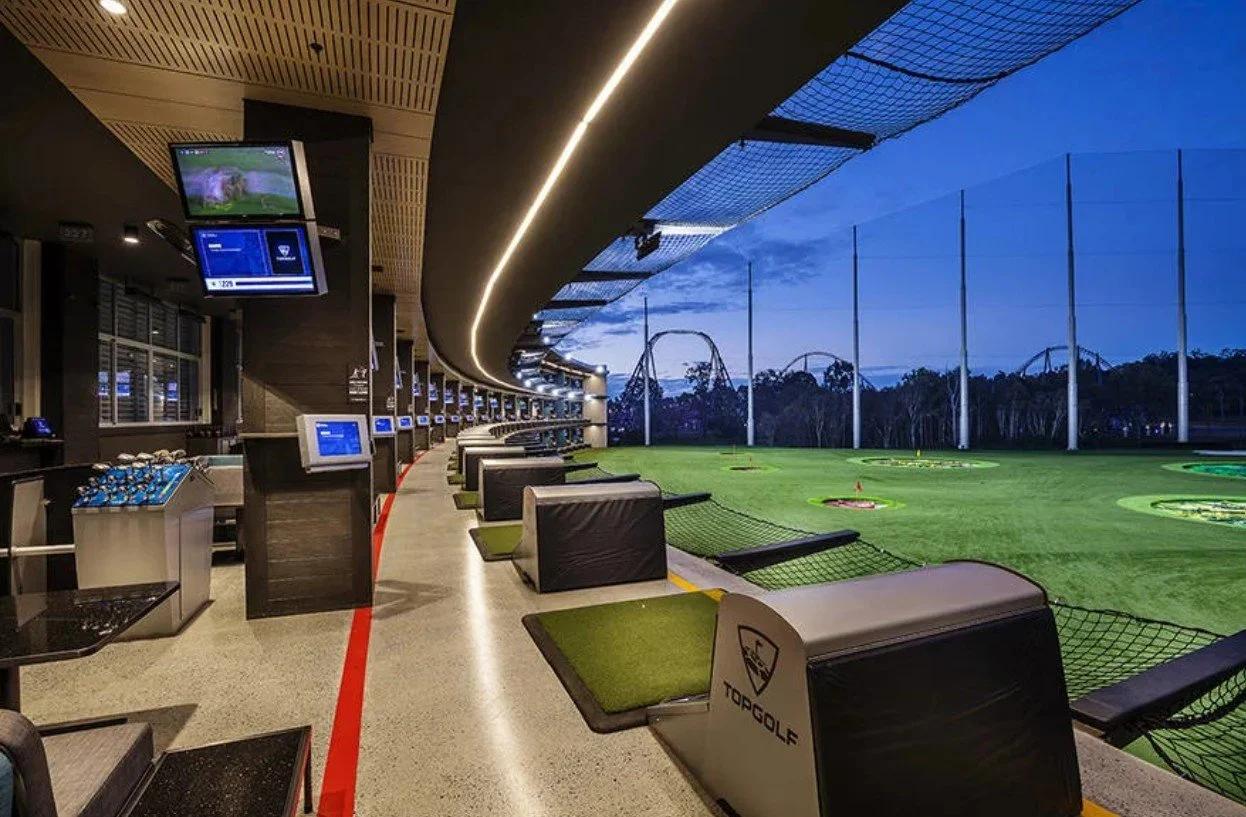
a two-storey driving range;
108 car parking spaces;
a golf retail shop;
new road access;
netting extending for between 300 and 400 metres along both sides of the driving range;
an 18-hole mini-golf course; and additional roads and associated infrastructure.
In Park 1 there will be:
two water tanks, each approximately 14 metres in diameter and 4.2 metres high;
a pumping station shed approximately three metres high.
All of this is proposed on land that is currently public Park Lands.
These are not minor changes. They represent a substantial transformation of John E. Brown Park, yet the community has had no meaningful opportunity to consider or comment on what is proposed.
And while the court proceedings have finally provided some answers, many important questions remain.
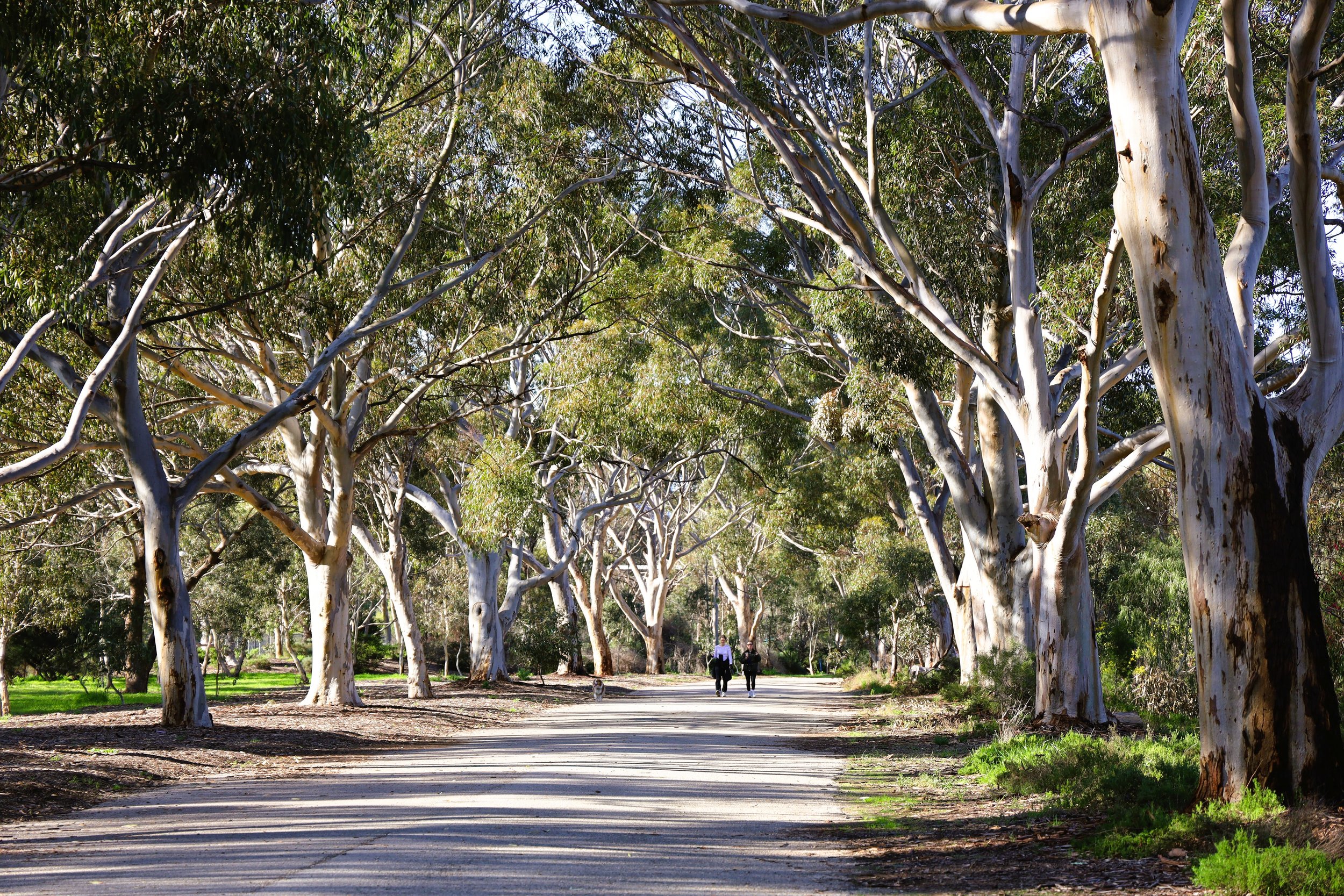
John E Brown Park - Photo by Jan Bowman
What we still don’t know
We still don’t know exactly how many trees will be removed from John E. Brown Park, which trees they are, how much canopy will be lost or what habitat they currently provide.
We don’t know exactly where the 108 car parks will be located, how much Park Lands they will occupy or where the new access road will go.
We don’t know what the increased vehicle movements will mean for surrounding roads, pedestrians and cyclists, or how the development will affect existing paths and connections through the Park Lands.
We know there could be between 300 and 400 metres of netting along each side of the driving range, but we still don’t know its final height, appearance or what it will mean for the landscape.
And importantly, we don’t know what assessment has been undertaken of the risks that hundreds of metres of netting could pose to wildlife, particularly birds and bats.
That is not a hypothetical concern.
In January 2026, dozens of flying foxes became entangled in driving-range netting at Noosa Golf Club in Queensland. Wildlife rescuers were called to three entanglement incidents in one month, and 49 flying foxes were eventually admitted to the Australia Zoo Wildlife Hospital. Two died from their injuries.
The incident prompted calls for the netting to be removed or made more visible to wildlife.
What wildlife surveys have been undertaken in John E. Brown Park? What species use the trees that are proposed to be removed? What will be the effects of habitat loss, additional traffic, lighting and hundreds of metres of netting?
We also don’t know what lighting will be installed, the proposed operating hours of the driving range and mini golf, or what those operations will mean for nearby residents and nocturnal wildlife.
Nor has the community been shown a clear, detailed site plan bringing all of these elements together — the driving range, 108 car parks, new roads, netting, buildings, mini golf, water tanks and the trees that will remain or be removed.
And we still don’t know the full cost.
These are not peripheral details. They are fundamental to understanding what the Government proposes to do to a significant area of public Park Lands.
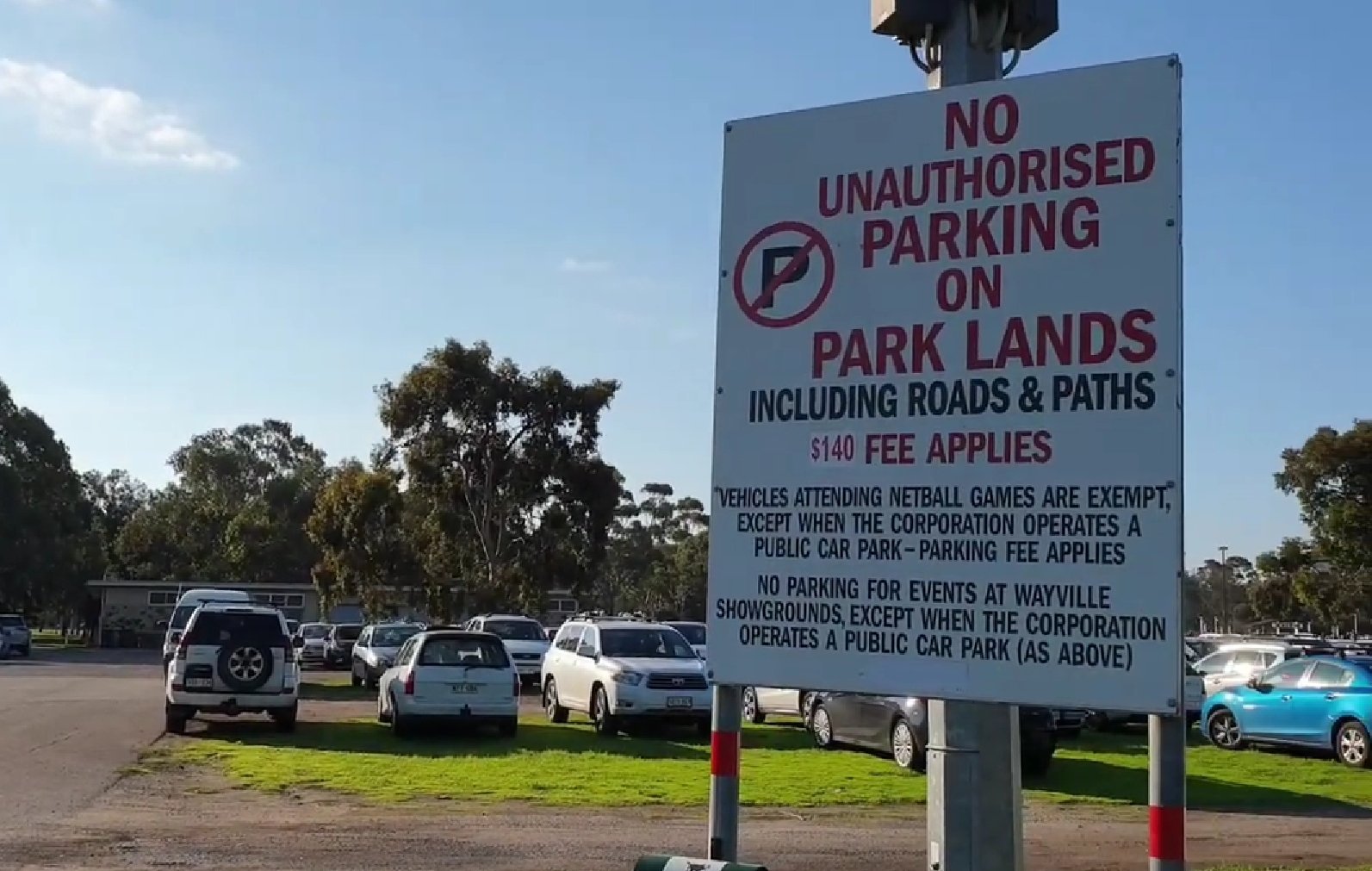
Park 22 – source APA
‘Public land turned into commercial activity’
Speaking after the court proceedings, Edwin Kemp Attrill described the scale of the proposed development as “truly absurd”.
“The Government is planning to build over 100 car parks within John E. Brown Park and add retail shops for golf products within the Park Lands. This is public land turned into commercial activity, without any transparency.”
He also rejected suggestions that the Government had taken these detailed plans to an election.
“The Premier is truly gaslighting us when he says this has been brought to an election. In fact, it took a Federal Court case to bring this information to light.”
Mr Kemp Attrill said the plans include retail facilities both at the driving range and in a new golf clubhouse, which would replace the existing building.
The cost of these additional works has not been publicly disclosed and Mr Kemp Attrill said would be in addition to the Government’s announced $45 million golf course redevelopment.
For Edwin and Janette, bringing the legal action has also come at considerable personal cost.
“Our legal team worked tirelessly. It was exhausting even just to watch it, but everything was worthwhile. Janette and I are so proud to have done this, and we are appreciative of all of the support. It’s been an amazing week.”
How did we get here?
It is worth remembering how extraordinary the legislation governing this project is.
The North Adelaide Public Golf Course Act 2025 removed the affected land from the care and control of the City of Adelaide and vested control with the State Government.
The legislation also substantially reduced the usual role of local government and normal planning processes in determining what happens on this part of the Adelaide Park Lands.
Lord Mayor Jane Lomax-Smith has been highly critical of the legislation and its broader implications. Among her concerns is the transfer of land and assets away from Council control and provisions under which proposed developments associated with the project are deemed to comply.
The affected land has also moved from Crown land to fee simple title, with the relevant estate vested under the control of the responsible Minister — in this case, the Premier.
City of Adelaide Councillor Patrick Maher has also raised questions about what these changes mean, not simply for the golf course project but for the future protection and governance of the Adelaide Park Lands.
This matters because the issue is much bigger than golf.
It is about who controls public Park Lands, what can be built on them and whether the public gets any meaningful say before decisions are made.
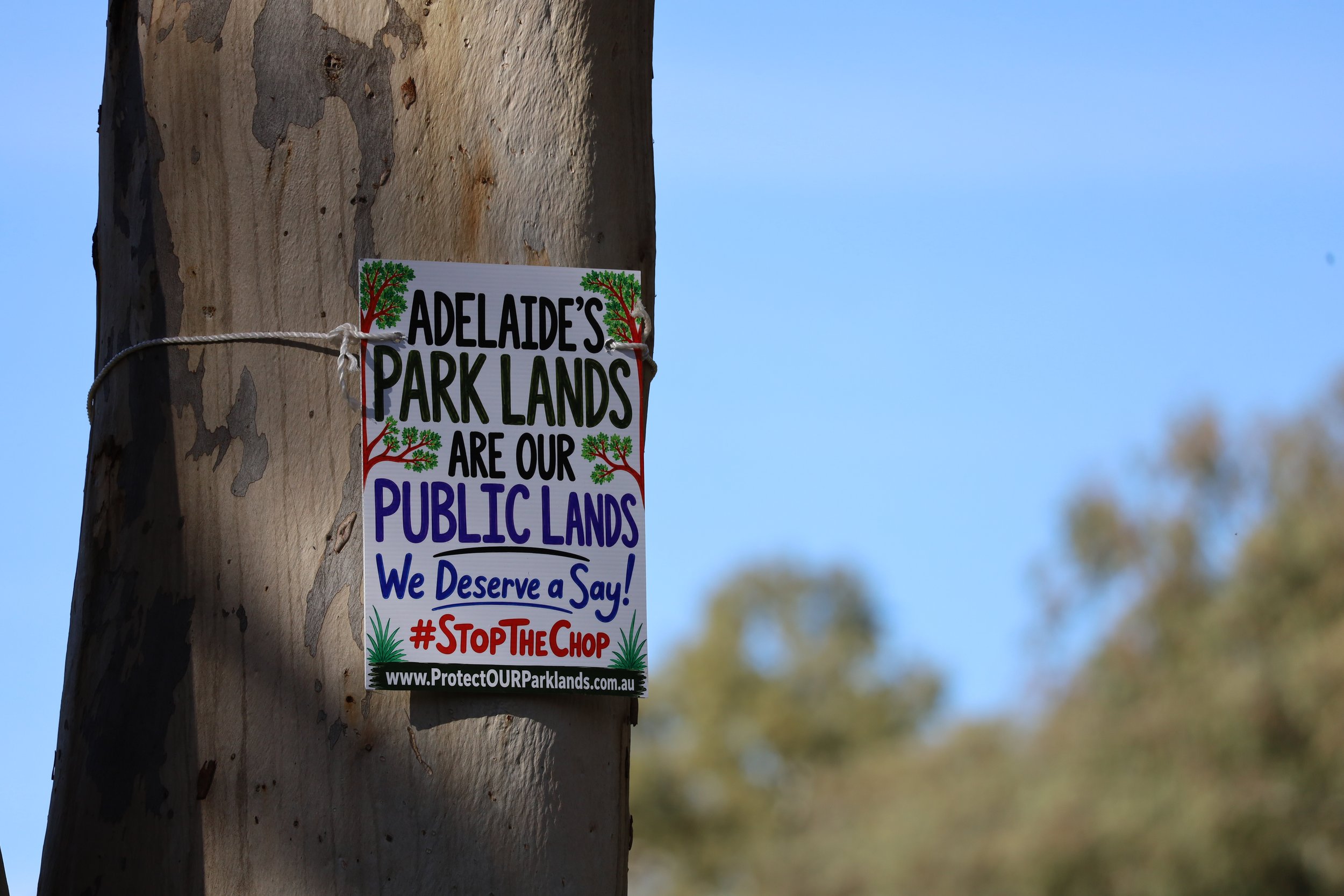
John E Brown Park - Photo by Jan Bowman
What about the trees?
Tree removals are proposed within John E. Brown Park to make way for the driving range and associated development.
At this stage, we still do not have a clear public breakdown of exactly which trees will be removed from John E. Brown Park or the impact those removals will have on its existing landscape and habitat.
This is particularly important given what we now know about the scale of the infrastructure proposed for the park.
A two-storey building, 108 car parks, new roads, mini golf, water tanks and hundreds of metres of netting all require space. The obvious question is: what has to disappear to make room for them?
The public deserves a clear answer.
The public deserves to know
On Sunday 23 August, thousands of people gathered in Adelaide to protest against the continued carving up of the Adelaide Park Lands for commercial development.
What has now emerged about John E. Brown Park helps explain why people are so concerned.
A two-storey driving range. More than 100 car parks. Hundreds of metres of netting. Mini golf. Retail facilities. Roads, water tanks, pumping infrastructure and the removal of trees.
Whatever view people take of the golf course redevelopment itself, South Australians should have been told clearly that this was what was being proposed for their Park Lands. Many people have told the APA that they feel misled by the Government's claims that the works in John E Brown Park were just an update to existing facilities, when in reality, it is wholesale change.
And they should have been told what it would mean for the trees, wildlife, landscape, public access and surrounding community.
Instead, after repeated questions went unanswered, important details finally emerged in a courtroom.
We now know considerably more about what the Government intends to build in John E. Brown Park.
But there is still a great deal we don’t know.
The community should not have to go to the Federal Court to find out what its government intends to build on public land.

