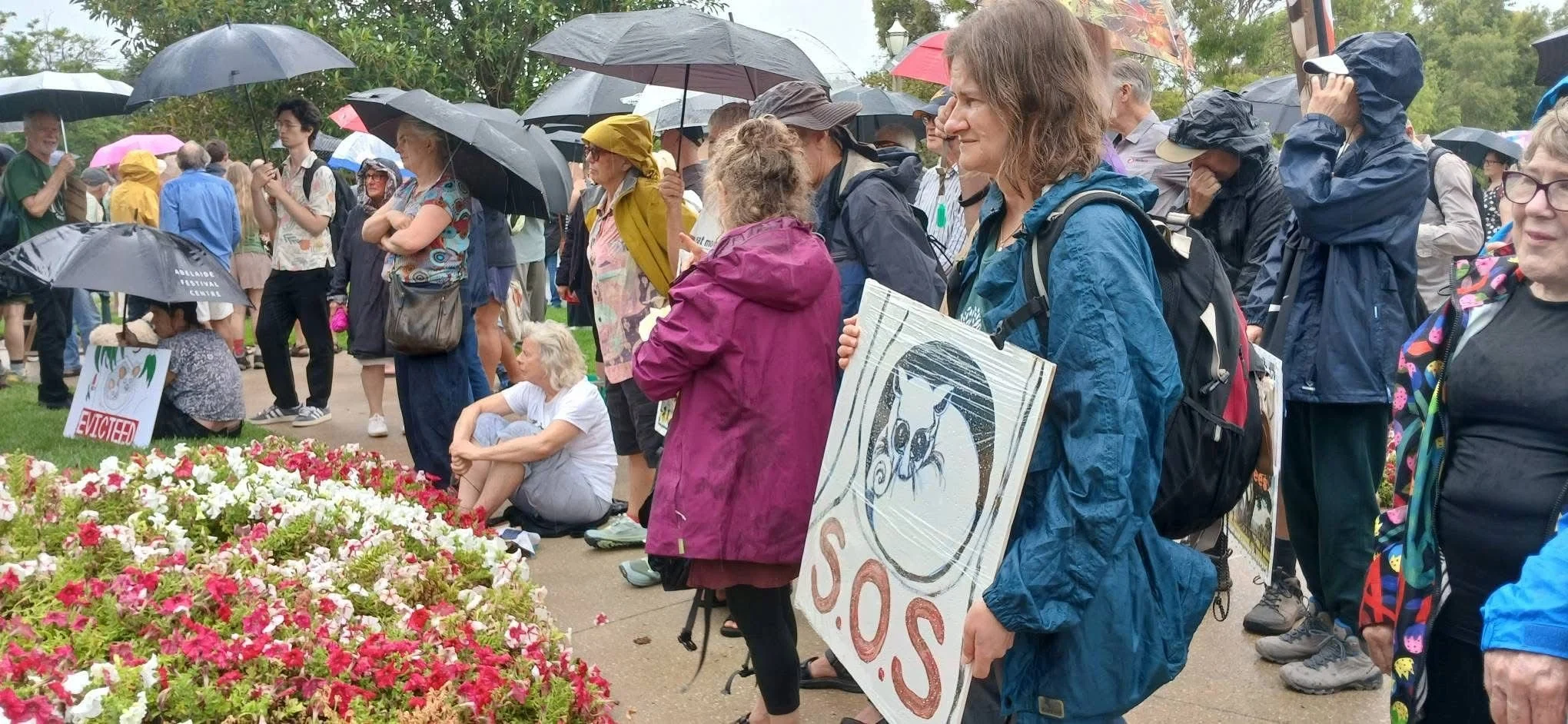


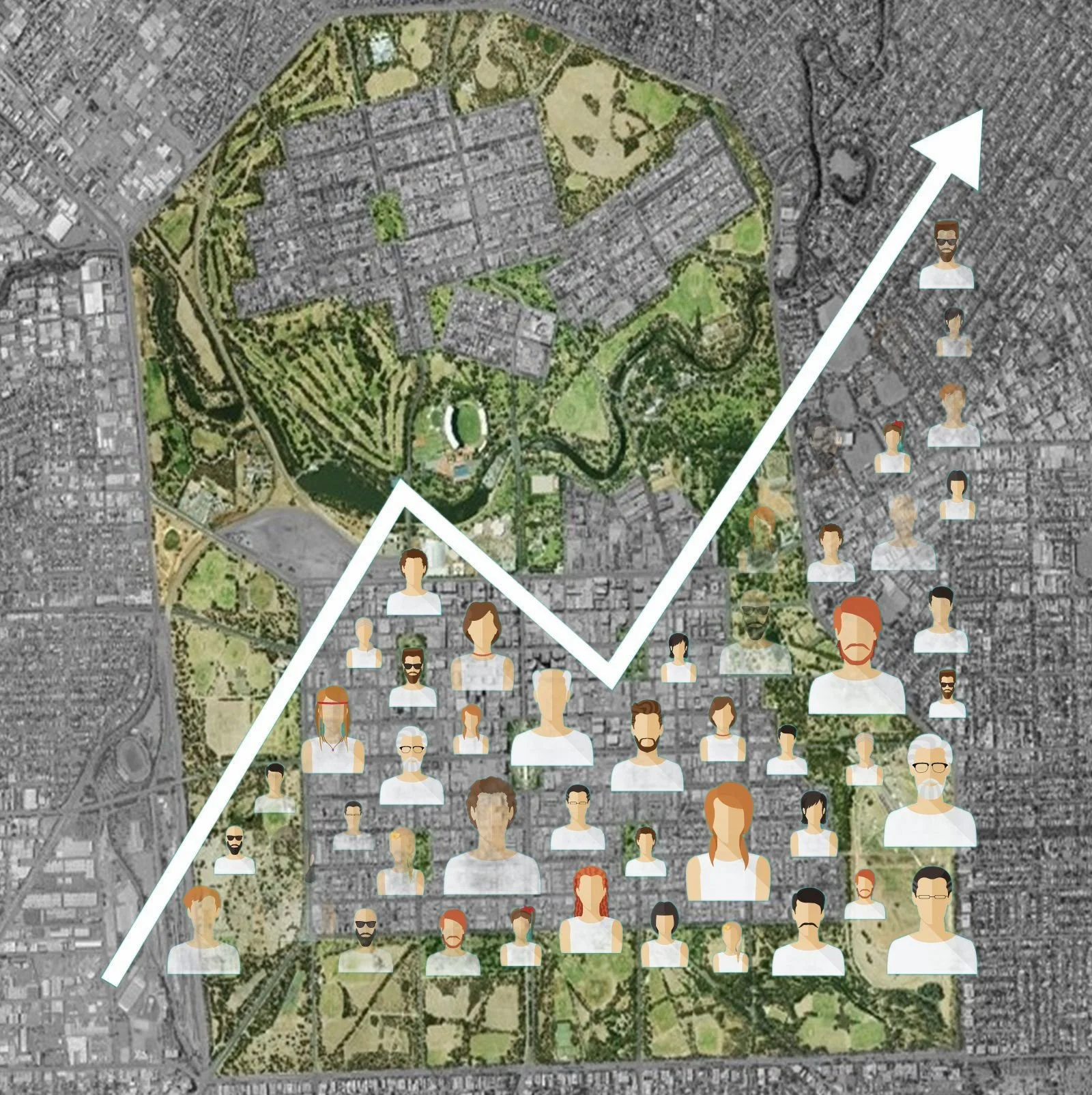
Your Adelaide Park Lands will be protected only when a sufficient number of people DEMAND that they are protected. Despite the State election result, support for your Park Lands is at its highest-ever level, and shows no signs of slowing growth.

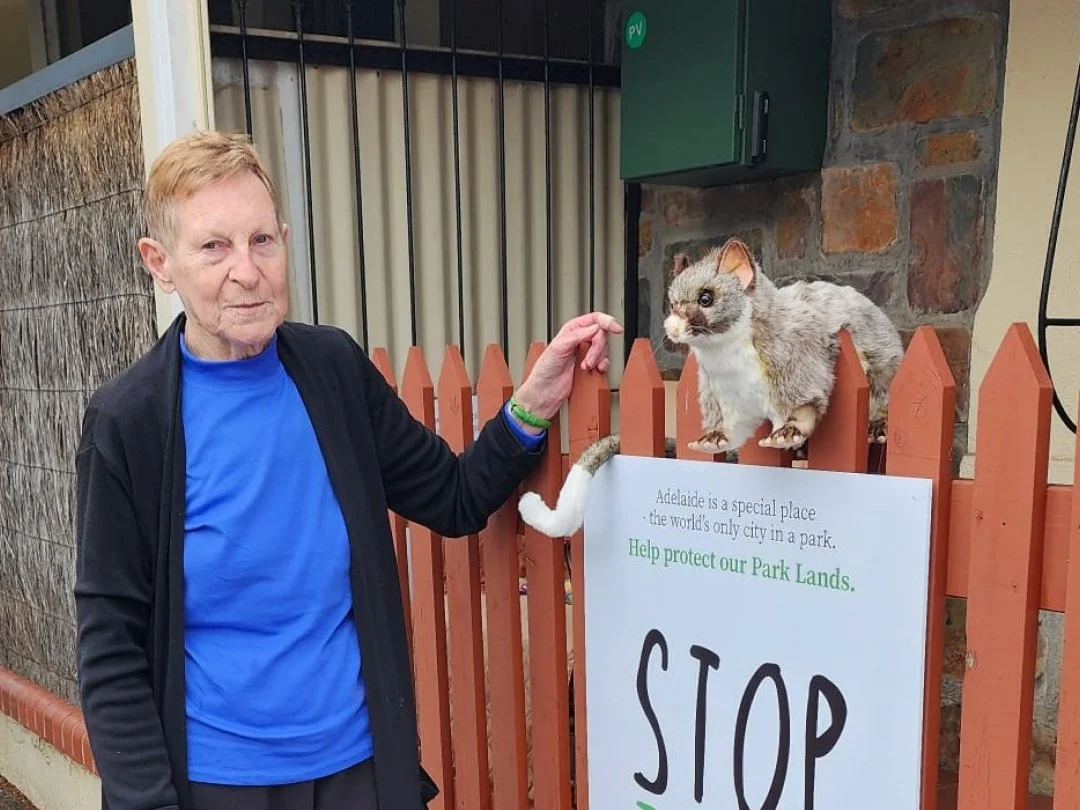
Meet Dorothy Dunne — APA’s Membership Officer, lifelong nature lover and passionate Park Lands advocate.
From growing up beside Crown land to guerrilla planting, Trees for Life and years of activism, Dorothy has never been afraid to speak her mind. Now approaching 80, she remains as passionate as ever about protecting the Park Lands as free, peaceful public spaces for everyone.
Meet one of our essential Park Lands warriors.
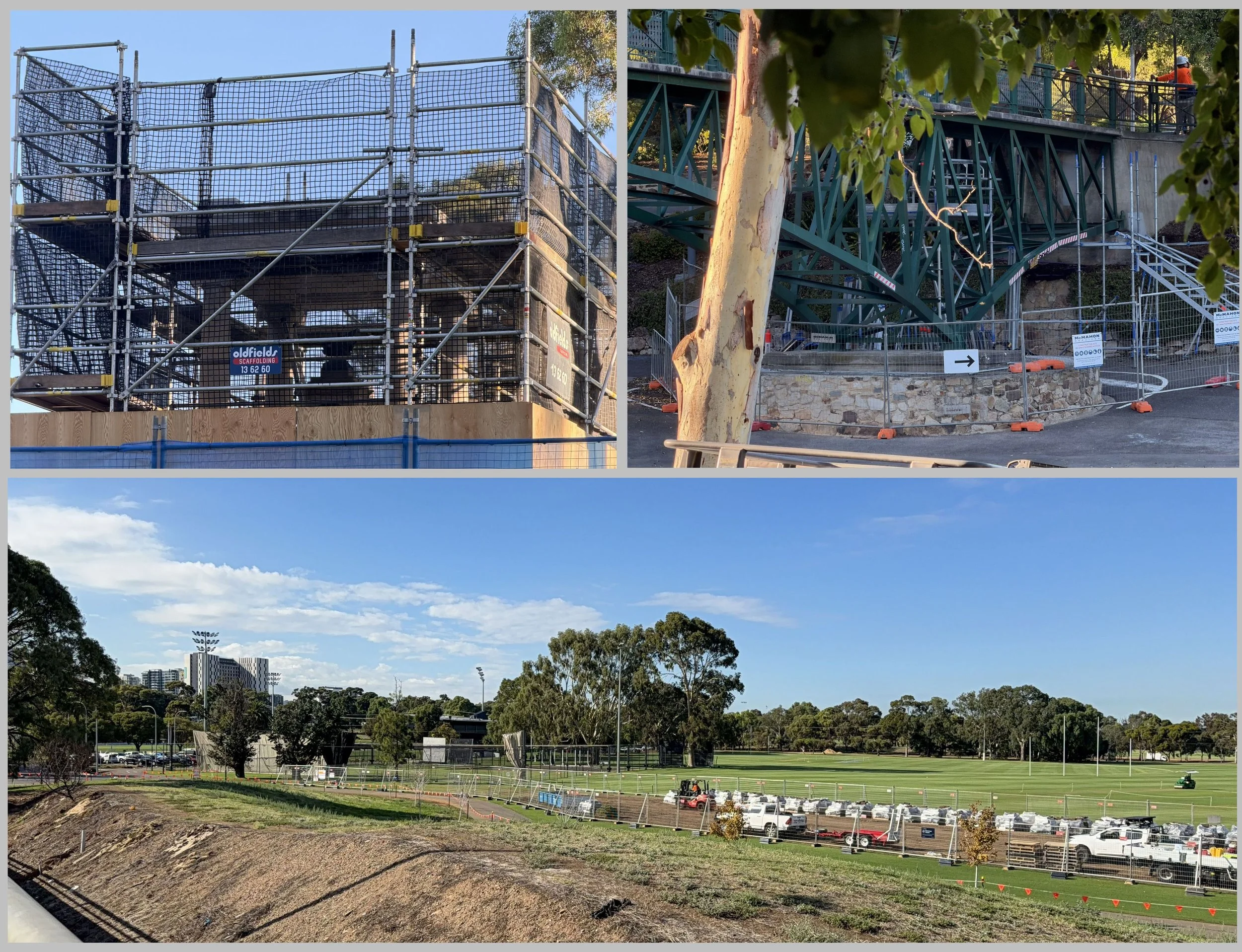
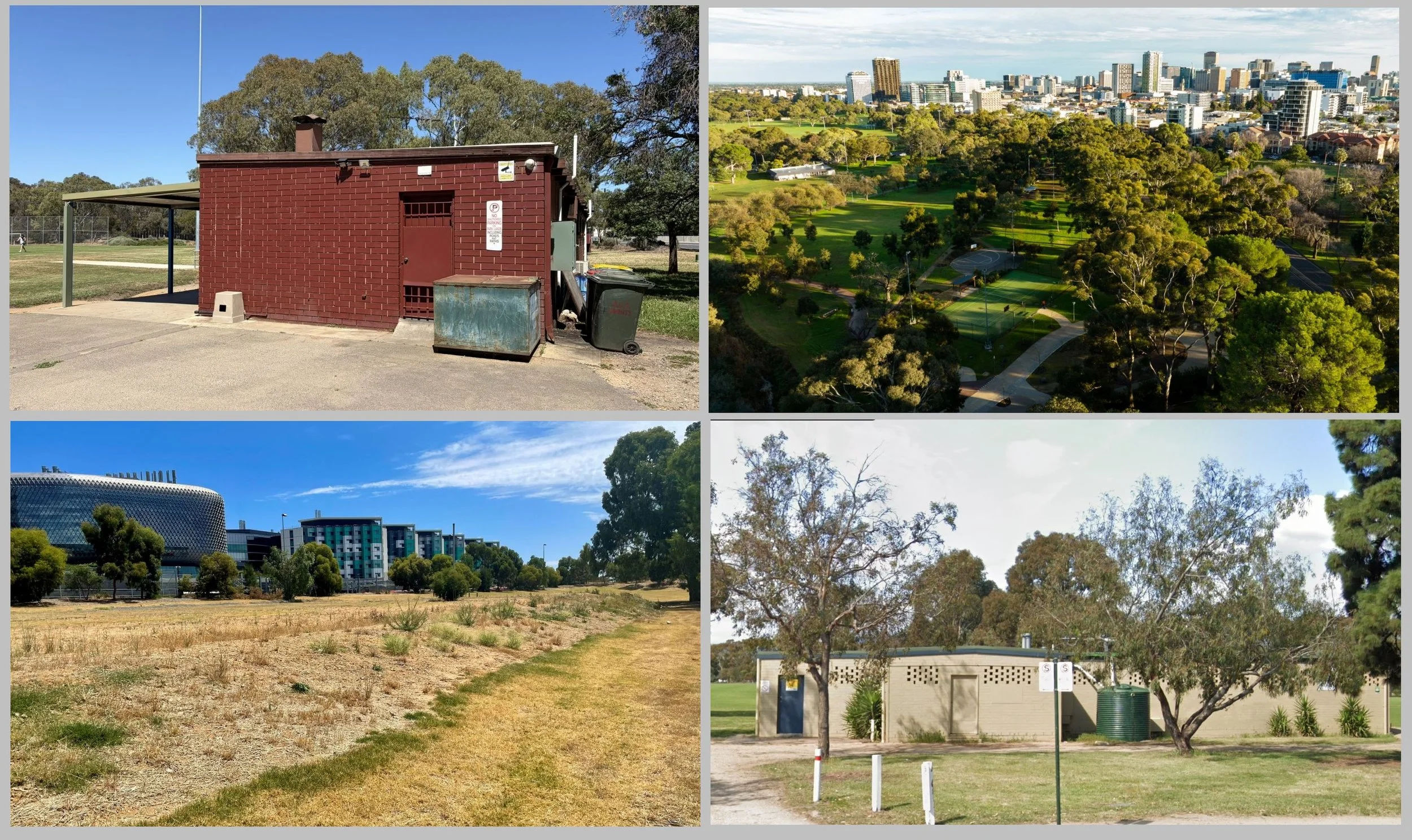
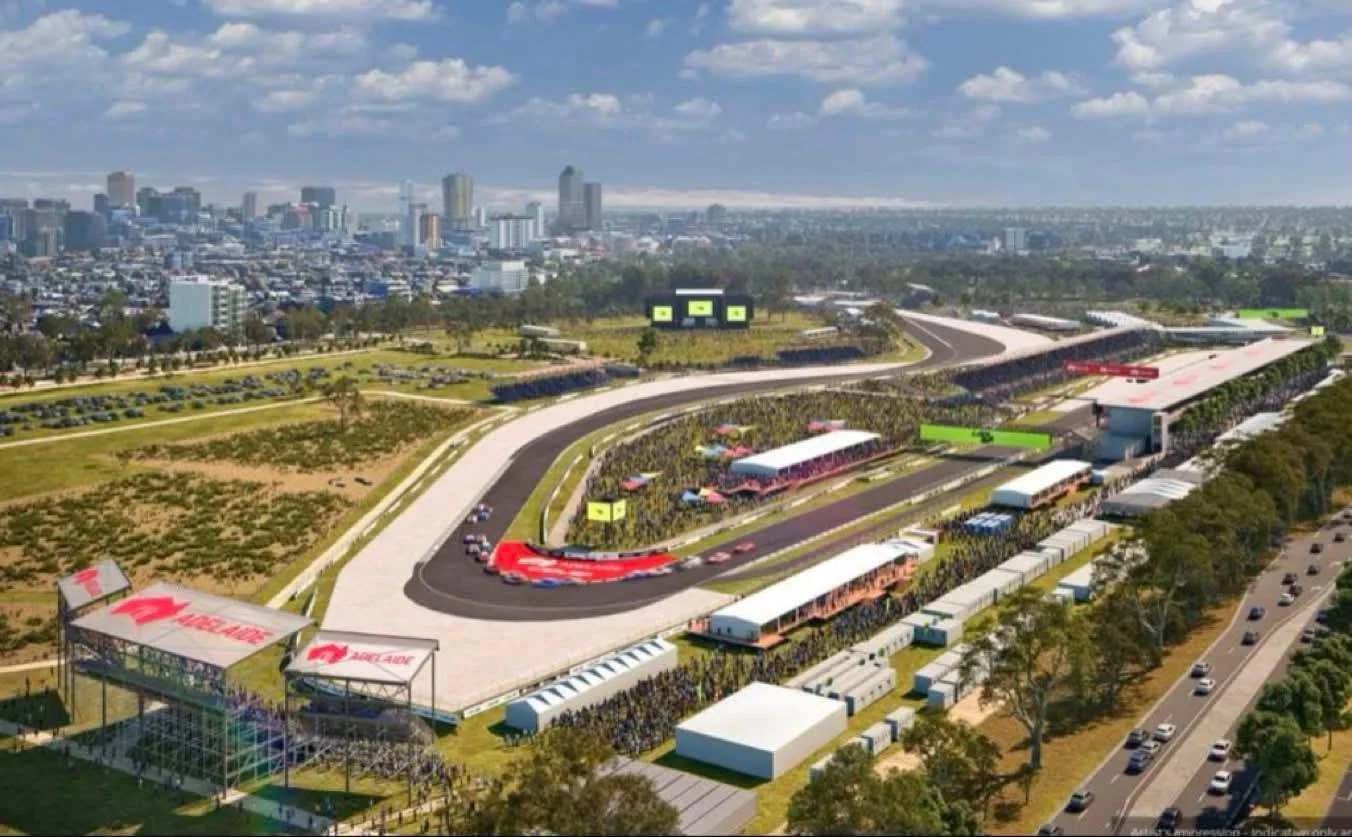
The State Government is consulting on its proposed MotoGP circuit in Victoria Park / Pakapakanthi — including permanent construction and the removal of more than 400 trees.
Submissions close 11.59 pm, Sunday 20 September.
We’ve put together a simple guide on how to make a submission, what you might raise, and a template to help you get started.
Find out how to have your say.
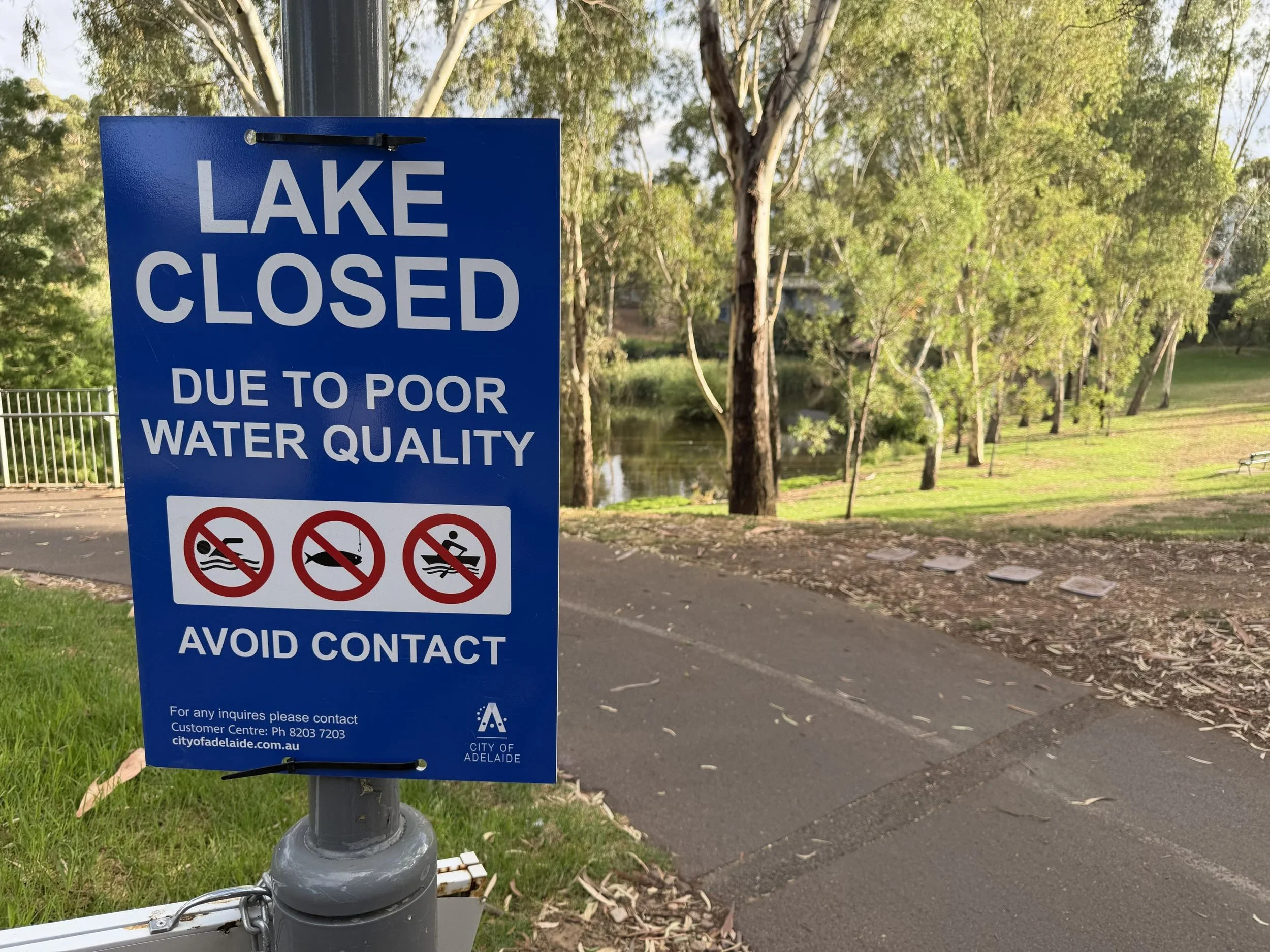
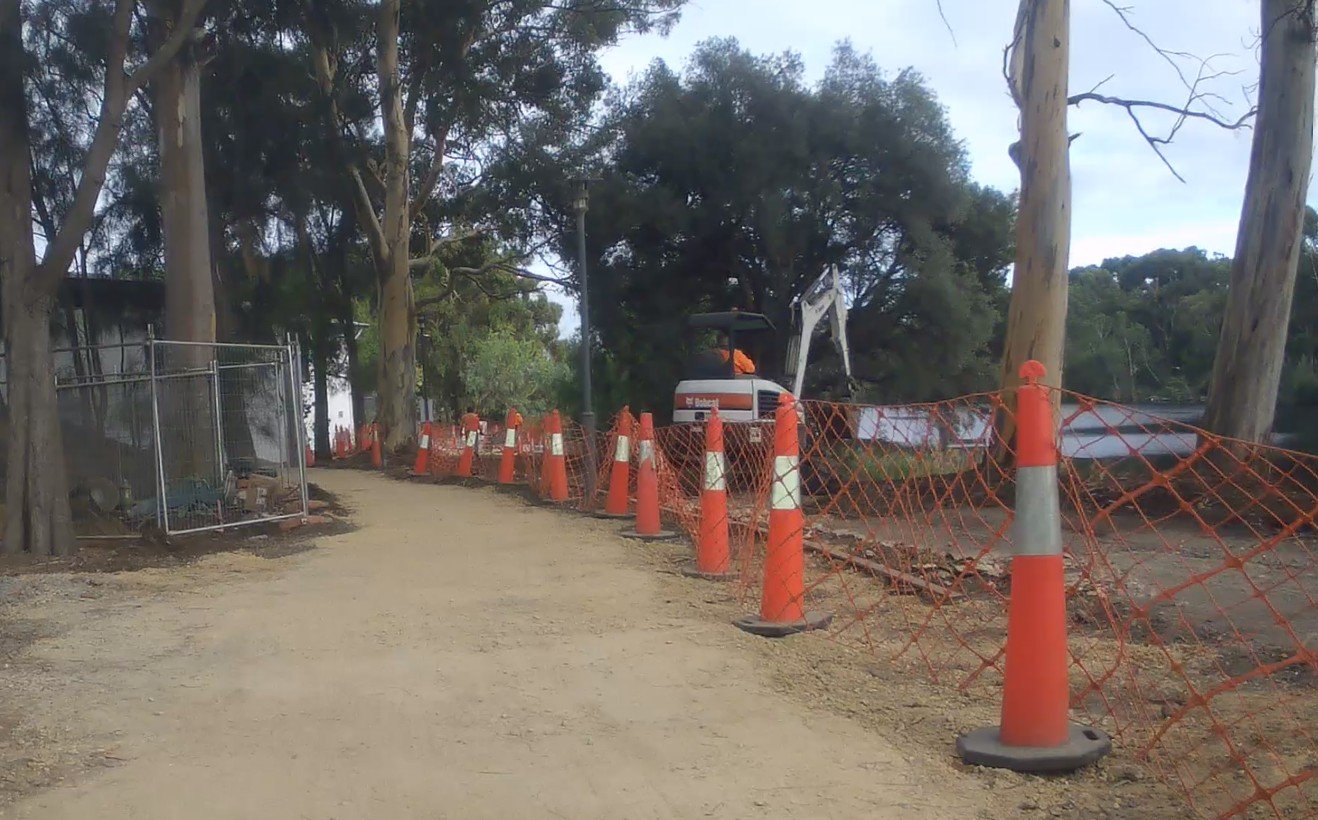
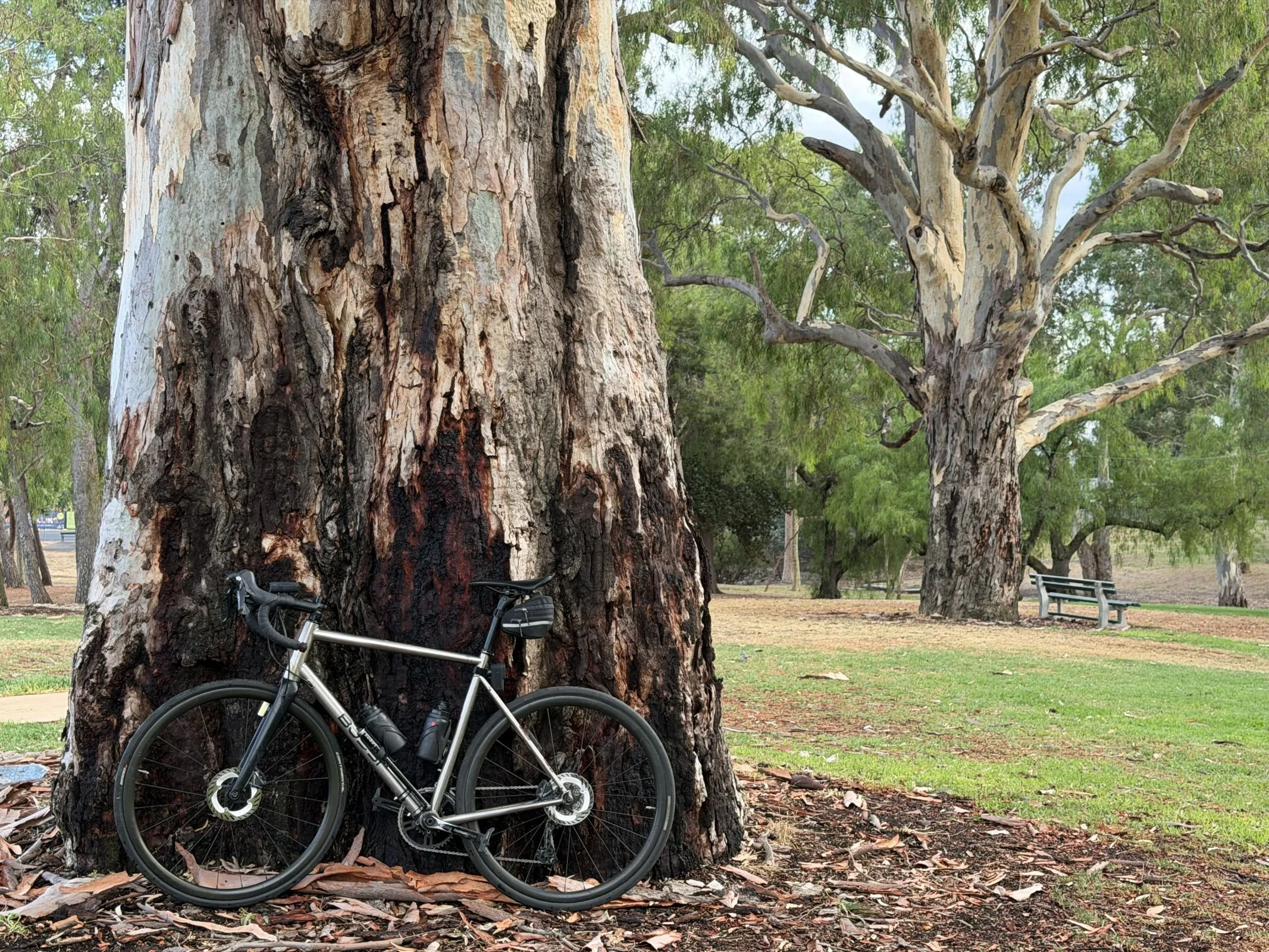
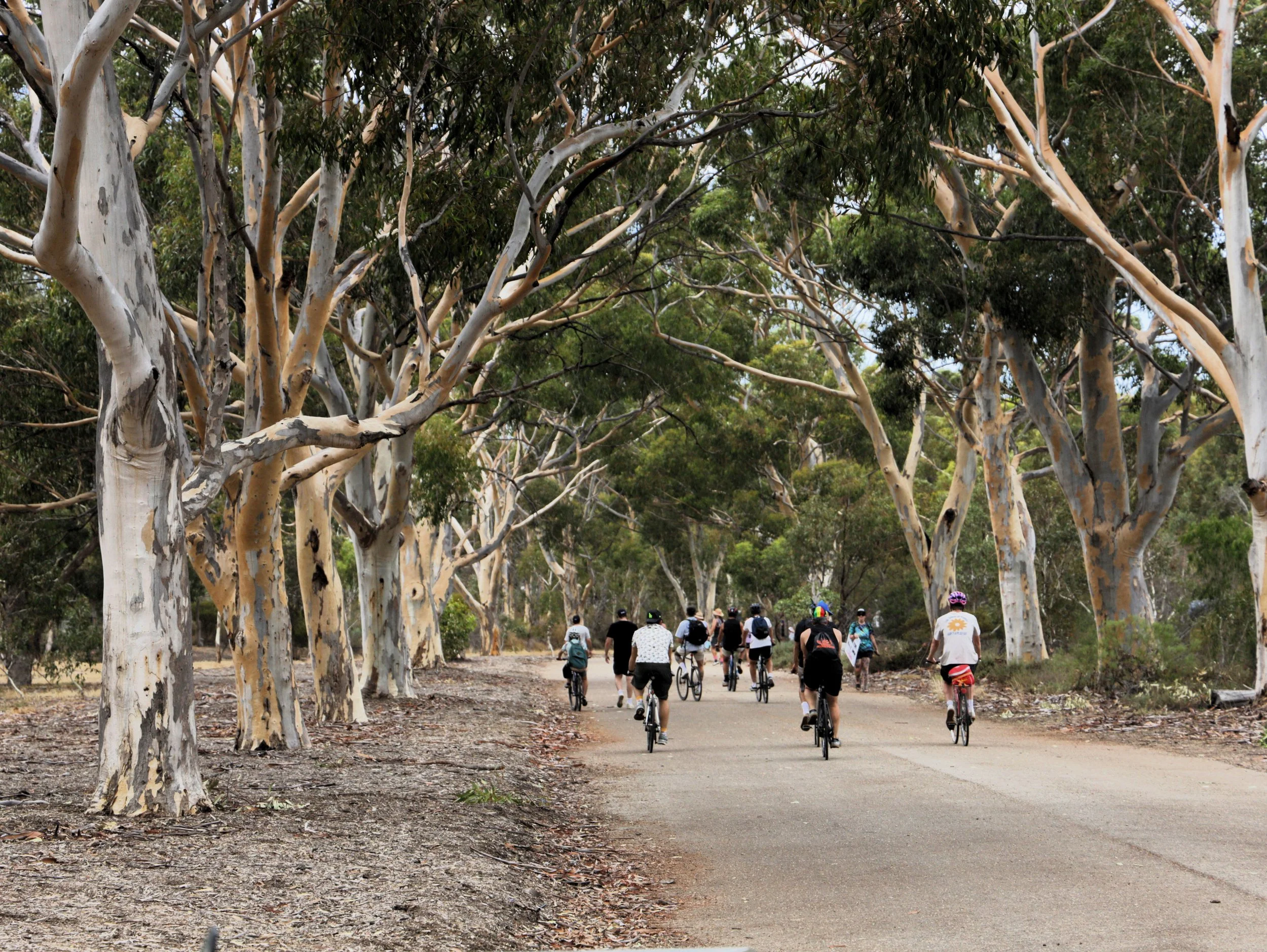
The Adelaide Park Lands aren’t just green space – they’re a vital part of how students, workers and recreational cyclists get around our city.
Kadaltilla / Adelaide Park Lands Authority says the Park Lands provide around 59 kilometres of continuous walking and cycling paths, connecting major precincts through routes including the Adelaide Park Lands Trail and River Torrens Linear Park.
And there’s an economic benefit too. Walking and cycling in the Park Lands generates an estimated $196 million in annual economic value, through direct health, transport and environmental benefits.
As Bike Adelaide Chair David Elliott writes, safe, connected Park Lands paths are critical to cycling in Adelaide – and to keeping our city moving.
It took a Federal Court case to find out what the State Government is actually planning for John E. Brown Park.
A two-storey driving range, 108 car parks, up to 400 metres of netting, an 18-hole mini-golf course, retail facilities, new roads, water tanks and other infrastructure — all on public Park Lands.
These are significant changes, yet despite repeated questions, the community has had no meaningful opportunity to see or comment on the plans.
Why did it take a court case for South Australians to find out what is being proposed for their Park Lands?